Renovation ROI in Costa Brava: The Smartest Upgrades That Boost Your Property’s Resale Value
Discover how renovation increases resale value of property in Costa Brava. Smart upgrades that maximize ROI and attract premium buyers.
7 November 2026
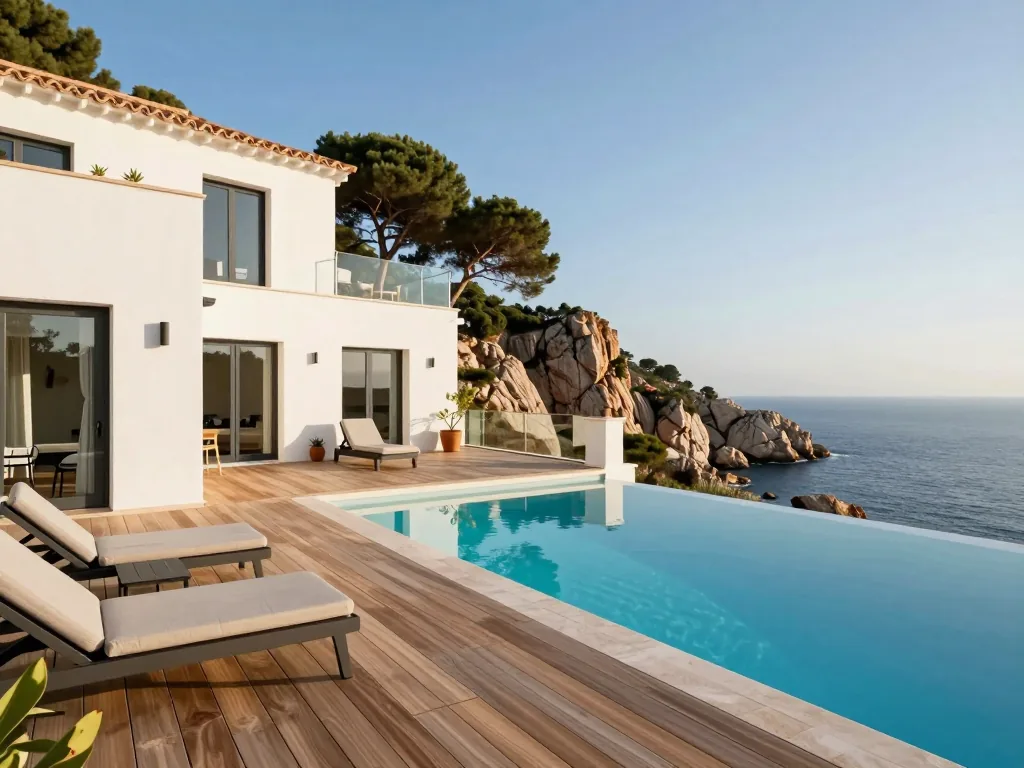
Imagine unlocking the hidden potential of your Costa Brava property and turning it into a buyer’s dream—without spending a cent on the wrong upgrade. This guide takes property owners through the key renovations that truly boost resale value in this distinctive Mediterranean market. It starts with first-step assessments, then moves into advanced regulatory and coastal-specific considerations. You’ll discover which improvements actually pay off, which traps to avoid, and how to sidestep costly mistakes and over-improvement. By the end, you’ll have a clear, strategic roadmap to enhance your home’s appeal and command a higher price when selling.
Understanding the Costa Brava Buyer and Market Context
Who Is Buying and What They Prioritize
What pays off in a Costa Brava renovation depends entirely on who walks through your front door. The market splits into two distinct buyer profiles, each weighing your upgrades differently.
Local buyers—often Catalan families or second-generation residents—are searching for permanent homes close to schools, medical services, and extended family networks. They value practical layouts, functional kitchens, and energy efficiency over aesthetic flourishes. A well-insulated property with modern plumbing and electrical systems speaks directly to their long-term needs.
Just as significant are Northern European buyers from the UK, Germany, the Netherlands, and Scandinavia. These purchasers typically want holiday homes or rental investments that generate income during peak season. Their priorities revolve around proximity to the sea, generous outdoor living spaces, and the ability to lock up and leave without worry. They rarely want a project—they want move-in readiness.
Despite these differing motivations, both groups share non-negotiable priorities: a short drive to the coastline, seamless indoor-outdoor flow suited to the Mediterranean climate, and low-maintenance materials that withstand coastal salt, humidity, and heavy seasonal use. Properties that feel instantly habitable—no renovation to-do list, no deferred maintenance—consistently attract stronger offers and faster sales.
Matching Renovation Scope to the Neighborhood Standard
The golden rule: renovate to the level of the best homes in your immediate area, not beyond it. Over-improving a modest property in a standard neighborhood rarely recoups the cost and can make your listing look overpriced.
In a village like Begur or a coastal town like L’Escala, the benchmark comes from surrounding streets, not international design magazines. If neighboring properties feature terracotta-tiled terraces and simple outdoor showers, installing a heated infinity pool and full outdoor kitchen may push your spend beyond what local comps can support. Costa Brava buyers are savvy; they compare your asking price against recent sales in the immediate vicinity and won’t pay a premium for upgrades that outshine the neighborhood standard.
Instead, direct your budget toward upgrades that bridge the gap between your property and the best-presented homes nearby. A refreshed exterior with new render and quality paint, updated bathroom fixtures, and a modern, durable kitchen with quartz or granite countertops will align your home with market expectations. For a typical apartment or townhouse renovation in Costa Brava, realistic budgets range from €30,000 to €80,000 for a full interior refresh, while a comprehensive exterior and outdoor living upgrade can run from €15,000 to €45,000, depending on terrace size and material choices. These investments keep you competitive without tipping into over-improvement that alienates price-conscious buyers.
Outdoor Living and the Mediterranean Connection
On the Costa Brava, the boundary between indoor comfort and the coastal outdoors is a property’s most valuable asset. Buyers aren’t just purchasing square meters—they’re buying a lifestyle shaped by sea breezes, lingering al fresco meals, and that famous golden-hour light. Renovations that reinforce this indoor-outdoor bond often yield the highest returns, frequently surpassing kitchen or bathroom remodels in buyer appeal.
Expanding and Upgrading Terraces, Patios, and Pergolas
Start with a critical look at your current flow between inside and out. Many older Costa Brava homes suffer from narrow doorways and awkward transitions that relegate the terrace to an afterthought. Swapping a standard door for a wide sliding glass wall or bi-fold system can transform usability, visually doubling a living room’s size while flooding it with natural light. This relatively simple upgrade costs €3,000 to €8,000 per unit installed, yet it instantly modernizes the entire ground-floor experience.
Once access improves, extend the living season. A shaded pergola—whether a sleek louvered aluminium model or a classic wooden beam design—creates a covered dining area that deflects the intense midday sun and keeps the space comfortable into the evening. Budget €4,000 to €12,000 for a quality pergola, depending on size and automation features.
When it comes to paving, never compromise on materials. The Costa Brava’s saline air and occasional downpours demand non-slip, salt-resistant surfaces like calibrated limestone, textured porcelain tile, or compacted natural gravel. Professional installation is essential; poor drainage or uneven laying quickly leads to cracking and water pooling. A full terrace or patio upgrade typically runs €8,000 to €25,000, depending on surface area and material grade—and here, visible quality translates directly into a higher asking price.
Swimming Pools: Value, Restrictions, and Plot Considerations
A swimming pool is often the dream feature for buyers in this region, but it’s not a universal win. The pool must enhance the plot, not compromise it. If installation shrinks the garden to a narrow border or eliminates a shaded seating area, it can actually lower perceived value—especially for families or pet owners who prioritize usable green space.
Before any design work, check local municipal regulations. Several coastal towns in the Costa Brava have tightened restrictions on new pool construction due to water availability concerns. Some zones require permits that are hard to secure, while others cap pool size or restrict filling sources. Ignoring these rules can result in fines and forced removal—a catastrophic financial blow.
Where pools are permitted, simplicity prevails. A rectangular or clean freeform design with an efficient salt-chlorination system is both cost-effective and timeless. Standard installation, including excavation, filtration, and surrounding paving, typically ranges from €30,000 to €60,000. On smaller plots, a plunge pool or natural swimming pond offers a more affordable alternative—often €20,000 to €40,000—while still delivering the essential water feature that sets a property apart locally.
High-Impact Interior Upgrades: Kitchens and Bathrooms
No two rooms carry more weight for resale value on the Costa Brava than the kitchen and bathrooms. Buyers scrutinise these spaces first, and they’re the costliest to replace later. A thoughtful renovation here can shorten your time on the market and justify a higher asking price—especially when competing against coastal properties still stuck with dated fittings.
Kitchen Modernization for Broad Appeal
Forget building your dream kitchen. The aim is one that appeals to the widest pool of buyers, so prioritise clean lines and timeless materials over personal flair. Soft grey, warm white, or natural oak cabinetry creates a safe, inviting base. Pair it with quartz or composite countertops—durable, seamless, and high-end without the upkeep of natural stone. Integrated appliances, hidden behind matching panels, deliver a streamlined look that reads as premium yet practical.
Skip ultra-trendy colours, bold backsplashes, or niche extras like wine fridges and built-in espresso machines. They add cost without proportional value and risk alienating buyers with different tastes. Keep the layout simple, functional, and open. A standard galley or L-shaped configuration with a clear work triangle is universally appreciated.
A full renovation typically runs from €12,000 to €30,000, depending on size and unit quality. If the layout’s sound and carcasses are in good shape, a refresh—new doors, drawer fronts, and worktops—can transform the space for a far more modest €5,000 to €10,000.
Bathroom Renovations That Sell
Bathrooms may be small, but their impact on perceived value is huge. A tired tub and worn tiles can date an entire property. Today’s Costa Brava buyer wants a spa-like, low-maintenance experience. Start with water-efficient fixtures—they appeal to the eco-conscious and those watching utility bills. A walk-in shower with a frameless glass screen beats an enclosed tub every time, adding openness and contemporary luxury.
Use large-format tiles in light, neutral tones—soft beiges, off-whites, pale greys. Fewer grout lines mean a cleaner, seamless surface that visually expands the room, a trick that works especially well in compact coastal apartments.
A complete redo, including tiles, sanitaryware, and plumbing where needed, typically costs €6,000 to €15,000 per bathroom. On a tighter budget, a partial update—new vanity, mirror, toilet, and fittings, keeping existing tiles and bath—can be done for €2,000 to €5,000. It still delivers a fresher, more modern feel that supports a stronger asking price. Before committing to either scope, get a pre-sale renovation consultation to clarify which upgrades will actually pay off in your specific market and property type.
Structural Integrity and Energy Efficiency in a Coastal Climate
Roof, Facade, and Window Condition as First Impressions
Salt air and humidity are silent enemies. A roof with missing tiles, a facade with peeling paint, or single-glazed windows with rusted frames will immediately raise red flags for any serious buyer. Addressing these issues before listing is non-negotiable.
The Mediterranean climate here is unforgiving to building envelopes. Buyers judge a property from the street, scanning the roofline and exterior walls before stepping inside. A compromised roof hints at water intrusion, rot, and hidden mold—deal-breakers in a region where autumn storms and sea spray hasten decay. Roof repair or full replacement runs from €6,000 to €20,000, depending on pitch, tile type, and accessibility. Facade work—repainting, crack injection, and render repair—typically costs €4,000 to €12,000 for a standard villa or apartment block exterior. Windows matter just as much: single-glazed units with corroded aluminum frames scream neglect. Swapping them for double-glazed, coastal-grade aluminum or PVC systems sets you back €8,000 to €18,000 for a typical three-bedroom home, yet the payoff in curb appeal and thermal comfort is immediate.
Energy Upgrades That Pay Off
Energy performance shapes resale value beyond mere aesthetics. A drafty, poorly insulated house in Costa Brava endures humid winters and scorching summers, turning utility bills into a constant headache. Savvy buyers calculate long-term running costs and will discount an inefficient property accordingly.
Start with wall and roof insulation—a project costing €5,000 to €15,000, depending on surface area and access. This single upgrade slashes heating and cooling loads, signaling that the home suits year-round living, not just summer rentals. Next, ditch outdated electric radiators or inefficient boilers for a modern heat pump or high-efficiency hybrid system. Budget €4,000 to €10,000 for equipment and installation, and you gain a selling point that appeals to permanent residents and rental investors alike, who face steep energy bills during peak tourist seasons.
Finally, consider solar panels for hot water or electricity. A photovoltaic array or thermal system costs €3,000 to €9,000 installed, and in sun-drenched Costa Brava, payback periods are short. Properties with renewable energy infrastructure draw eco-conscious buyers and command premium offers, especially when paired with the structural upgrades above. Together, these improvements turn a weathered coastal property into a turnkey, low-maintenance asset that justifies its asking price.
Permits, Legal Compliance, and Avoiding Resale Pitfalls
Navigating Building Permits and Local Regulations
Municipal codes draw a strict line in Costa Brava between a cosmetic refresh and a structural transformation. From Blanes to Cadaqués, nearly every town requires a permit for work that touches load-bearing walls, alters the exterior silhouette, or modifies electrical, plumbing, or HVAC systems. Even seemingly simple jobs—replacing windows, adding a terrace cover, relocating a bathroom—fall under this rule. Skipping the paperwork might save weeks of waiting, but it casts a legal shadow that follows the property.
When you list, the buyer’s lawyer will run due diligence. An unpermitted extension or an illegal swimming pool—common temptations here—surfaces immediately. The fallout can range from fines and a stalled sale to forced demolition orders. More often, the buyer simply walks away or demands a price cut far exceeding what the permit would have cost. If you’ve done significant work, obtain a “certificate of lawful use” (cèdula d’habitabilitat) or the equivalent municipal document before listing. This certifies that the current configuration matches approved plans, reassuring buyers and protecting your asking price.
The Risk of Over-Improvement and How to Avoid It
Renovating for resale isn’t about building your dream home—it’s about building the home your future buyer expects. In Costa Brava, over-improvement quietly kills value. Buyers here typically seek authentic, low-maintenance coastal living, not opulent showpieces.
- Study local comps first. Pull recent sales of comparable homes within a 1–2 km radius. If similar properties sold modestly with basic finishes, a high-end renovation won’t recoup its cost.
- Match finishes to the neighbourhood. Marble countertops, designer lighting, and full smart-home automation can price your property out of a mid-range market. In most Costa Brava villages, quality porcelain tiles, solid wood doors, and efficient aluminium windows deliver better returns.
- Cap your budget sensibly. As a rough ceiling, allocate 10–15% of the property’s current value to renovation, then adjust based on the comps. A €300,000 house, for instance, shouldn’t carry a €60,000 kitchen and bathroom overhaul.
- Seek professional guidance. Before major work, spend €200–€400 on a consultation with a local real estate agent or independent appraiser. They know which upgrades actually move prices on your specific street—not just in the region.
The goal is to make your property the best-value option in its immediate market, not the most luxurious. A measured renovation that respects local norms and legal limits will sell faster and at a stronger price than a showy remodel that raises red flags.
The smartest renovations in Costa Brava focus on outdoor living, modernizing key rooms, and reinforcing coastal resilience—all while respecting your neighborhood’s value ceiling and legal requirements. Prioritize these targeted upgrades rather than over-improving or sidestepping local rules. This positions your property to attract serious buyers eager to pay a premium for turnkey Mediterranean living. Your next step is clear: audit your property against these three priorities, secure permits before starting any work, and consult a local real estate agent to gauge the realistic resale uplift in your micro-market. With this focused strategy, every euro invested works harder toward a stronger return at sale.
Frequently asked questions
How does renovating a property in Costa Brava increase its resale value?
Which renovations offer the highest return on investment for Costa Brava properties?
Does renovating a property near the beach in Costa Brava increase value more than inland?
Are energy-efficient renovations worth it for resale in Costa Brava?
How important is the exterior renovation for resale value in Costa Brava?
Should I renovate the property fully or partially before selling in Costa Brava?
Does adding a swimming pool increase resale value in Costa Brava?
How does renovating an old farmhouse or 'masia' impact resale value in Costa Brava?
What renovation mistakes should I avoid to maximize resale value in Costa Brava?
Tell us about your renovation
Send photos or plans on WhatsApp and get a detailed quote — usually within 48 hours. Free, no obligation.
We usually reply within a few hours