
Turn Your Costa Brava Renovation Into a Profitable Rental
Turn your Costa Brava renovation into a profitable rental with this practical guide—covering permits, pricing, guest appeal, and legal tips for success.
4 November 2026
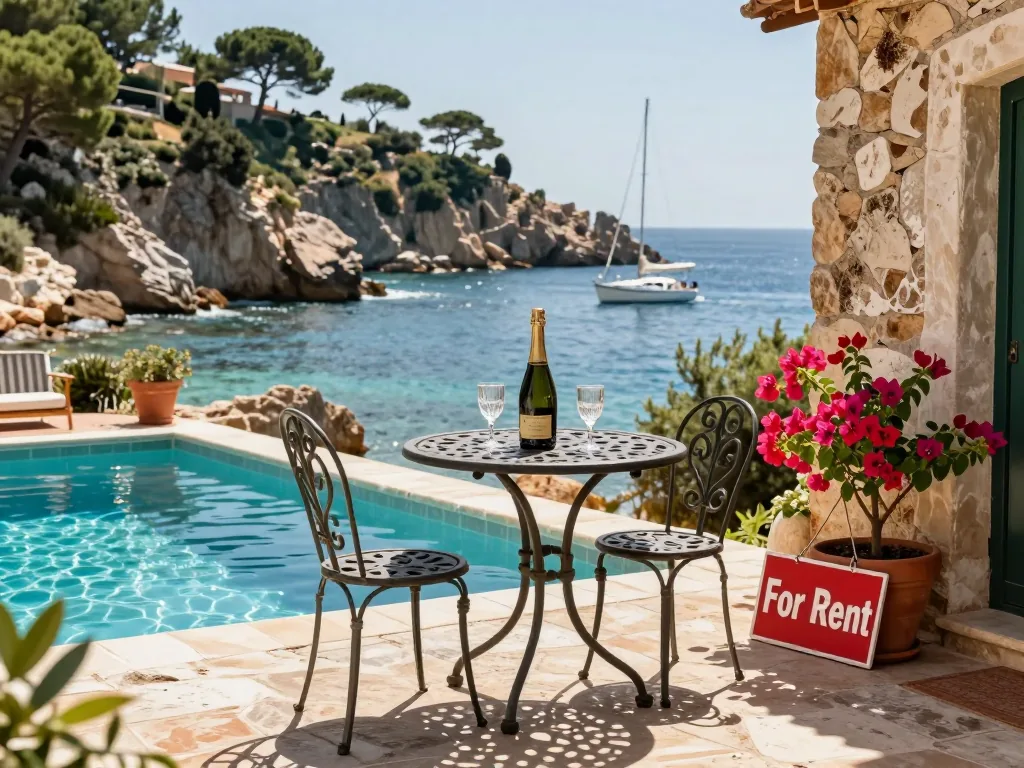
You’ve invested time, money, and vision into transforming that Costa Brava property—now it’s time to put it to work. Renting it out as a short-term rental isn’t just about listing a key and waiting for bookings. It’s a maze of local regulations, pricing strategies, and financial duties that can make or break your return on investment. This guide walks you through the full process of legally and profitably renting your renovated Costa Brava gem, from securing the right license to adjusting seasonal rates and staying on good terms with the taxman. You’ll find the essential bureaucratic steps alongside practical, field-tested tactics for boosting occupancy and income—so your dream home becomes a dependable revenue engine.
Understanding the Legal Framework for Tourist Rentals
Before you hang a “Vacancies” sign or upload that first photo of your gleaming new kitchen, you must navigate the legal landscape governing holiday lettings along the Costa Brava. The rules aren’t optional—and penalties for ignoring them can quickly devour your renovation budget. Your first, most critical step: obtain a tourist use license, known as an HUT code, from the Direcció General de Turisme, Catalonia’s tourism authority. This isn’t a generic permit; it’s tied to your property, its exact address, and its maximum occupancy. You must display the code in every advertisement, from Airbnb to your own website, and in any printed brochure. Operating without it is a serious infraction, and inspectors actively check listings across the region. Get caught, and you face fines ranging from €6,000 to €30,000, depending on severity and whether it’s a repeat offense. The application process itself is straightforward, typically costing between €50 and €150 in administrative fees—but you must submit it before accepting any booking.
Beyond the regional license, don’t assume one set of rules applies to the entire coastline. Each municipality, from the bustling port of Blanes in the south to the artistic enclave of Cadaqués in the north, holds authority to impose its own additional regulations. Some towns, like Tossa de Mar, enforce strict capacity limits based on bedroom count and living-area size. Others, such as Palafrugell, have notoriously active noise ordinances, with quiet hours that begin earlier during tourist season and decibel limits measured from neighboring properties. You may also need a local safety certificate proving your fire extinguishers, smoke detectors, and first-aid kits are in working order—or pass an electrical inspection meeting Catalan building code standards. The only way to be certain? Visit the local ajuntament, or town hall, in person before listing. Ask for the tourism department and request a written summary of all local obligations. Don’t rely on a neighboring host’s advice; rules can differ dramatically even between two villages sharing a beach.
Preparing Your Property for Legal and Safe Rental
Before listing your Costa Brava renovation on any booking platform, you must bring the property fully in line with Catalonia’s strict tourist rental regulations. This is not a bureaucratic afterthought—it is the foundation of a profitable, defensible business. Miss one safety requirement, and you could face fines, removal of your listing, or worse, liability if a guest is injured.
Meeting Mandatory Safety Standards
Catalonia requires every tourist rental to carry functioning fire extinguishers, a fully stocked first aid kit, and clearly displayed emergency contact information for the property manager, local police, and nearest medical centre. Do not assume the previous installation is sufficient. Walk through each room and test every smoke detector, replacing batteries if you have any doubt about their reliability. Have a certified gas engineer inspect all cookers, hobs, and boilers, and ask an electrician to verify that the fuse box, wiring, and all outlets meet current Spanish electrical codes. These inspections typically cost from €80 to €150 per visit, but they are non-negotiable. Keep dated certificates on file, as local authorities may request them during routine checks. Also, consider installing a carbon monoxide detector near any combustion appliance—while not always mandatory, it is a low-cost safeguard that demonstrates diligence.
Setting Up Essential Guest Amenities
Safety gets you the license; comfort gets you the five-star reviews. Invest in hotel-quality bedding and pillows that can withstand frequent washing without pilling. Ensure your Wi-Fi is fast enough for video calls and streaming, and place a note with the network name and password in a visible spot in the kitchen and living room. Stock the kitchen properly: sharp knives, a decent coffee maker, enough glassware and crockery for double the maximum occupancy, and basic cooking oil, salt, and pepper. Write a concise house rules card that covers check-out times, noise expectations, and waste sorting—Catalonia is strict about recycling, and guests appreciate clear guidance. To justify premium nightly rates on the Costa Brava, add beach towels, a portable cooler, a couple of sun loungers, and a shaded outdoor dining area if space allows. Finally, print a laminated card with parking instructions, including any permit requirements, and leave it near the front door so guests do not have to hunt for it upon arrival. These small touches separate a forgettable stay from a memorable one—and that difference shows up directly in your occupancy rate.
Pricing and Occupancy Strategies for Seasonal Demand
Understanding the High and Low Seasons
Costa Brava’s rental market is fiercely seasonal. Demand peaks from June through September, when sun-seekers flock to its coves and coastal towns. During these months, you can confidently set premium rates—often 40% to 60% higher than the annual average—and still secure bookings weeks in advance. But the calendar flips abruptly after September. From November to February, occupancy can plummet to near zero, save for the Christmas and New Year week. Rather than leaving your property vacant—and racking up heating, maintenance, and cleaning costs—plan strategically. Consider discounted long-stay rates of 20% to 30% off your shoulder-season price for guests booking a month or more. This appeals to remote workers and retirees. Alternatively, close the property entirely during the quietest weeks, typically mid-January to mid-February, to cut utility bills and carve out time for maintenance. That way, you avoid hosting a handful of low-rate bookings that barely cover expenses.
Dynamic Pricing and Minimum Stay Rules
Static pricing leaves money on the table. Adopt a dynamic pricing approach that reacts to real-time signals: local festivals, school holidays across Spain and northern Europe, and booking lead time. A week coinciding with a major regatta in Cadaqués or a food festival in Girona, for instance, can justify a 15% to 25% surcharge. Conversely, if a booking window sits empty three weeks out, drop your nightly rate by 10% to 15% to lure last-minute guests. Tools like PriceLabs or Beyond can automate this—or you can review your calendar manually each week. Minimum stay rules matter just as much. In July and August, enforce a 3-to-7-night minimum to reduce turnover costs and lock in higher-value weekly bookings. During the shoulder months of May, June, and October, switch to a 2-night minimum to capture weekend city-breakers and fill midweek gaps. This flexibility keeps occupancy above 60% even outside peak summer, smoothing your annual income curve. Remember: the goal isn’t to maximise nightly price alone, but to optimise total revenue across the year—balancing high summer yields with steady, cost-effective occupancy in quieter periods. If you find your property underperforming in the off-season, it may be worth a strategic upgrade to renovate to maximize your rental income, ensuring your space appeals year-round.
Managing Bookings, Guests, and Operations
Choosing a Listing and Management Approach
Once your renovation wraps up, the first big choice is whether to self-manage or hire a local professional. Self-managing gives you total control over pricing, guest selection, and the property’s condition. But it also means you’re on the hook for every inquiry, review, and booking platform. This route suits owners who live nearby, have flexible schedules, and genuinely enjoy the hospitality side of things. Still, it’s a real time commitment: expect several hours each week on guest communication, coordinating cleaners, and fixing issues from a dripping tap to a broken Wi-Fi router.
On the other hand, a property manager on the Costa Brava can take the daily grind off your plate. A reputable local manager will list your property, handle guest relations, supervise cleaning teams, and manage emergency call-outs. In exchange, they typically charge a commission of from 20% to 30% of the gross rental income. That fee usually covers their time, plus perks like professional photography, dynamic pricing adjustments, and a local presence for last-minute problems. For owners living abroad or managing a single rental, the peace of mind often makes it worth the cost. Just be sure to interview several managers, ask for references from other villa owners, and clarify what the percentage actually includes—some charge extra for pool maintenance or garden care.
Handling Check-Ins, Cleanings, and Guest Communication
Once your booking system is live, the operational rhythm takes center stage. A smooth check-in sets the tone for the whole stay. Build a foolproof process: send detailed driving directions and parking instructions a week before arrival. Decide on a key handover method—either a secure key box with a unique code or a personal meet-and-greet. Always provide a local emergency contact number (in addition to your own) for issues like power outages or lockouts, and ensure that contact speaks both Spanish and English.
Between bookings, schedule professional cleanings without exception. A standard turnover clean for a three-bedroom villa costs from €80 to €150 per cleaning, depending on the size and whether linen changes are included. This is non-negotiable; a spotless property drives five-star reviews. Finally, commit to responding to all guest messages within a few hours, ideally within two. Quick replies to pre-booking questions boost your conversion rate, and fast responses during a stay keep small complaints from escalating. Consistent, attentive communication is the simplest way to secure repeat bookings and referrals—the lifeblood of a profitable Costa Brava rental.
Tax Obligations and Financial Planning
Turning your Costa Brava renovation into a profitable rental starts with getting a firm grip on your tax duties. The Spanish tax authority, the Agencia Tributaria, requires that all rental income be declared—whether you live in Spain or abroad. Non-resident owners face stricter rules: a flat tax rate on gross rental income, with no expense deductions unless you appoint a Spanish tax representative. That representative acts as your official liaison, handling filings, receiving notifications, and keeping you on track with quarterly and annual deadlines. The service typically costs between €300 and €600 per year, but it’s a smart investment given how hefty non-compliance penalties can be.
Beyond income tax, you’ll also need to navigate the Catalan tourist tax. Charged per guest, per night, with a cap on the number of nights per stay, this levy is your responsibility to collect and remit to the regional authorities regularly. The rate depends on the accommodation type, but for standard holiday rentals, expect to collect a small daily amount per person. Be sure to list this clearly in your booking terms to avoid surprises.
Your best tool for lightening the taxable load? Meticulous record-keeping. Every deductible expense trims your taxable profit, so hold onto receipts for renovation materials and labour, utility bills, insurance premiums, cleaning services, and any management or booking platform commissions. Renovation costs are especially valuable—they can often be depreciated over several years or offset against future rental income, depending on how the property is classified. Keep a separate ledger for each expense category and reconcile it monthly with your bank statements. This discipline simplifies tax filing and gives you a real-time view of your rental’s profitability, helping you tweak pricing or occupancy strategies as needed. Stay organised and proactive, and you’ll keep more of your earnings while remaining fully compliant with Spanish law.
Conclusion
Turning your Costa Brava renovation into a profitable rental isn’t about luck—it’s a step-by-step process that rewards preparation and attention to detail. Secure the right licenses, set a realistic budget, and manage your property with the same care you put into its design. That approach attracts reliable guests and steady income. Your next step? Start with the legal groundwork: research local tourist regulations and register your property before you list it anywhere. From there, each decision—from pricing to house rules—builds toward a business that works for you all year long. Begin today with that first official form, and watch your renovation transform into a thriving asset.
Frequently asked questions
What are the first legal steps to rent out my renovated property in Costa Brava?
How do I determine a competitive nightly rate for my renovated Costa Brava property?
What are the typical costs of managing a rental property in Costa Brava?
Should I furnish my renovated property specifically for short-term rentals?
What are the key safety requirements for renting out a property in Costa Brava?
How do I handle the tourist tax for rentals in Costa Brava?
What is the best way to market my renovated property to international guests?
How do I handle guest check-in and check-out for a property in Costa Brava?
What should I do if a guest damages my renovated property?
Are there any seasonal restrictions on renting out my property in Costa Brava?
Tell us about your renovation
Send photos or plans on WhatsApp and get a detailed quote — usually within 48 hours. Free, no obligation.
We usually reply within a few hours