Your Step-by-Step Guide to Moving to Spain's Stunning Costa Brava
Discover your step-by-step guide to moving to Spain's stunning Costa Brava—visas, housing, costs, and settling in made simple.
5 November 2026
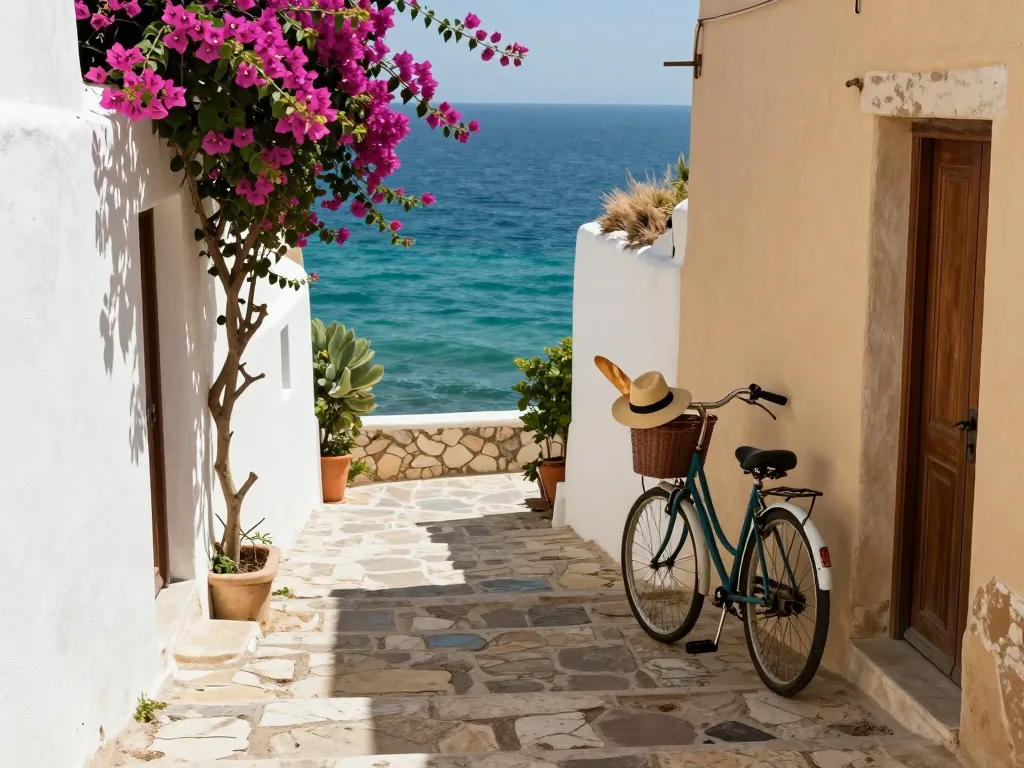
Waking up to the Mediterranean’s turquoise coves and rugged cliffs is easy to dream about. Making that dream a reality on Spain’s stunning Costa Brava, though, takes careful planning and a clear roadmap. This guide walks you through every stage of relocating to the region—from visa and legal requirements to finding housing, navigating healthcare, and settling into local life. Designed for EU/EEA citizens and non-EU expats alike, it lays out each step in practical, chronological order, so you can skip the guesswork and stress. Whether you’re drawn by the art of Cadaqués, the beaches of Tossa de Mar, or the vibrant markets of Girona, you’ll finish with a confident, actionable plan. Let’s turn your Mediterranean fantasy into a well-organized, joyful move.
Understanding the Costa Brava and Setting Your Expectations
Defining the Region and Its Character
Before you pack a single box, you need to know what you’re signing up for. The Costa Brava isn’t one monolithic stretch of beach. It’s a rugged, 200-kilometer arc of Catalonia’s northeastern coastline, starting at the bustling resort of Blanes and running to the French border. This is a land of dramatic contrasts. In the south, lively, purpose-built tourist towns like Lloret de Mar pulse with summer energy, their beaches wide and sandy. Drive an hour north, and the scenery shifts to wild, pine-clad cliffs on the Cap de Creus peninsula, home to the whitewashed, art-loving village of Cadaqués—once a lure for Salvador Dalí. Inland, the provincial hub of Figueres offers a more grounded, everyday Catalan life, anchored by the surrealist Teatro-Museo Dalí.
This is no place for cookie-cutter living. The cultural identity is fiercely Catalan, not Spanish. You’ll hear Catalan in markets, spot estelada flags on balconies, and eat pa amb tomàquet with nearly every meal. Winters are mild and often sunny, perfect for hiking coastal paths without breaking a sweat. Summers are hot, dry, and relentlessly busy. Your experience hinges almost entirely on which micro-climate—both literal and social—you choose to settle into.
Seasonal Impact on Your Move
The single most critical factor in your relocation timeline is the tourist season. From June through September, the region’s population swells dramatically. This isn’t a minor inconvenience; it reshapes the housing market. During those four months, short-term rental prices spike, long-term lease availability evaporates, and the quiet coastal villages you loved in April become congested, noisy, and hard to navigate by car.
If you can control your moving date, target the shoulder seasons—late spring (April to May) or early autumn (October to November). The weather remains glorious, the sea is swimmable, and the rental market flips in your favor. Landlords who chased high-yield holiday lets all summer are suddenly eager to secure stable, year-round tenants. You’ll have a wider property selection and negotiate from strength, often locking in long-term rentals from €700 to €1,200 per month for a two-bedroom apartment in a non-tourist zone—versus short-term summer rates that could easily triple that figure. Moving off-season isn’t just a logistical tip; it’s your first strategic decision as a future resident.
Navigating Legal Entry, Residency, and Registration
Visa and Entry Requirements for Non-EU Citizens
Planning a stay on the Costa Brava longer than 90 days as a non-EU citizen? Your journey starts long before you pack. You must apply for a Type D long-stay visa at a Spanish consulate in your home country. This isn’t a formality you can put off—it’s the most critical step. Without this visa stamped in your passport, you cannot legally enter Spain with residency intentions, and you’ll be barred from applying for a residence card from within the country. The application typically demands proof of sufficient financial means, private health insurance, and a clean criminal record. Processing times vary by consulate, so begin at least three months ahead. Budget for visa fees, generally €60 to €160 per applicant, plus extra costs for document translation and apostille certification.
Registration and Residency for EU/EEA Citizens
EU and EEA citizens face a smoother path, though administrative duties remain. No visa is required, but you must register your presence in Spain. The first essential step is the empadronamiento—registering your address at the local town hall (ayuntamiento). Mandatory for every resident, regardless of nationality, this is the key that unlocks everything else: public healthcare, school enrollment, a local bank account, even utility contracts. Bring your passport, proof of address (a rental contract or utility bill), and, if applicable, marriage certificate or family book.
Alongside the empadronamiento, secure your NIE (Número de Identificación de Extranjero). This foreigner identification number is required for virtually all legal and financial transactions in Spain—from buying a car to signing a mobile phone contract. For EU citizens, the registration certificate (certificado de registro) is issued quickly. For non-EU residents holding a residence card, the NIE is embedded within it. The process involves an appointment at the local police station or immigration office, with fees from €10 to €30 per certificate. Don’t underestimate these documents; secure them within your first month to avoid fines and bureaucratic headaches later.
Securing Housing and Managing Costs
Renting: What to Expect and How to Budget
Finding the right rental on the Costa Brava starts with understanding how the local market shifts with the seasons. In established coastal towns like Cadaqués, Tossa de Mar, or Sant Feliu de Guíxols, a one-bedroom apartment typically rents for €700 to €1,200 per month. Drive just ten minutes inland, and the same size property often costs noticeably less—sometimes dropping to between €550 and €800. These inland options appeal to those seeking quiet living without giving up easy access to the sea.
But summer changes everything. From June through September, many landlords pivot to short-term tourist lets, charging premium rates and demanding minimum stays of just a few weeks. If you’re moving permanently, target annual contracts, which are far more common from October through May. A yearly lease locks in rent stability, grants legal protections under Spanish tenancy law, and usually comes with a lower monthly rate than a seasonal deal. When budgeting, factor in that most landlords require one month’s deposit plus a second month as a guarantee—so plan for two to three months of rent upfront. As you sort out these numbers, it’s worth taking time to prepare your new home before moving in so you can avoid last-minute surprises with utilities, internet, and furniture logistics.
Buying Property: Price Ranges and Key Considerations
Prefer to buy? The Costa Brava offers a broad spectrum of options. Purchase prices generally span from €1,500 to €3,500 per square meter. The lower end applies to inland properties or those needing renovation, while prime seafront spots in sought-after resorts command the upper bracket. A compact two-bedroom apartment near the water might set you back between €180,000 and €320,000; a similar home in an inland village could fall between €120,000 and €200,000.
Crucially, the advertised price isn’t the final figure. Set aside an additional 10% to 15% of the purchase price to cover notary fees, property transfer tax, legal counsel, and deed registration. On a €250,000 property, that means budgeting an extra €25,000 to €37,500. Always hire an independent lawyer who speaks your language to verify the title, check for outstanding debts, and confirm the property is legally registered. This step adds to your upfront costs, but it shields you from expensive disputes down the road.
Setting Up Finances, Healthcare, and Daily Logistics
Opening a Bank Account and Managing Money
Your first practical priority after securing your NIE is opening a local bank account. The process is straightforward, but the paperwork is specific: your passport, your NIE certificate, and proof of a Spanish address—typically your empadronamiento certificate from the local town hall. Some banks, especially those catering to international clients, let non-residents open accounts with just a passport and proof of income. However, that usually means a non-resident account with limited services, higher fees, and no access to local mortgages. For daily banking, transfers, or a future property purchase, you will want a full resident account. It is worth visiting two or three branches in person—Santander, CaixaBank, and Sabadell all have a strong presence along the Costa Brava—to compare monthly maintenance fees, card charges, and online banking usability. Many expats find that a smaller, local caja (savings bank) offers more personalised service and fewer fees than the national giants. Be prepared to wait; account opening can take anywhere from a few days to two weeks. Bring all original documents and photocopies to every appointment.
Accessing Healthcare: Public and Private Options
Healthcare is where your residency status truly matters. As an EU citizen, your European Health Insurance Card (EHIC) covers temporary stays only—it will not sustain you as a permanent resident. Once you have registered for residency, you must sign up for public healthcare through CatSalut, Catalonia’s regional health service. If you are employed or self-employed and paying into the Spanish social security system, you and your dependents are automatically covered. That gives you access to primary care doctors, specialists, and hospitals at little or no cost. If you are not working or paying social security, you will need private health insurance, which is also mandatory for most visa and residency applications. Premiums vary significantly based on age, coverage level, and provider, but a realistic range for comprehensive cover—including hospitalisation, outpatient care, and specialist visits—is €50 to €150 per month per person. Companies like Sanitas, Adeslas, and Mapfre are well-established and widely used by expats on the Costa Brava. Many residents combine both: public cover for emergencies and major procedures, private insurance for faster specialist appointments and English-speaking doctors. Once registered with CatSalut, you will receive a health card that grants access to your assigned local primary care centre (CAP), where you can book appointments online or by phone.
Settling In: Language, Transport, and Daily Life
Language: Catalan and Spanish in Practice
On the Costa Brava, you will encounter two official languages: Catalan and Spanish. Spanish works perfectly well for everyday interactions—shopping, dining, and most administrative matters—but Catalan dominates the street, the market, and the local town hall. Road signs, municipal notices, and many restaurant menus appear first in Catalan, so a working familiarity with it will make daily life far smoother. Even better, making an effort to learn basic phrases—a simple bon dia in the morning or gràcies at the bakery—is met with genuine warmth and opens doors to deeper community connections. When it comes to official paperwork, from registering at the town hall (empadronament) to renewing your residence permit, documents are often processed in Catalan. Translators are available, but a basic reading knowledge helps you avoid costly misunderstandings. Fortunately, most municipalities across the region offer free or heavily subsidized Catalan courses for newcomers, often organized through local consorcis or cultural centers. Expect to pay anywhere from €0 to €80 per term, depending on the town and your residency status. Even a short introductory course will transform your experience from that of a tourist to a resident.
Getting Around: Public Transport and Driving
Your transport strategy will depend largely on where you settle. The regional train network, Rodalies, runs the R1 line down the coast, connecting Barcelona directly to Blanes, Lloret, and other coastal hubs—an excellent option for commuters or day-trippers. A single ticket from Blanes to Barcelona costs from €6.50 to €9.00, while a monthly pass is from €90 to €120. The bus network, operated primarily by Moventis, fills the gaps, weaving through inland villages and connecting smaller coves that the train misses. Buses are reliable, though less frequent on Sundays. That said, a car is almost essential for full enjoyment of the region. The rugged coastline means many of its best beaches and viewpoints are accessed via winding, hilly roads, and carrying groceries or beach gear on public transport is impractical. The real challenge is parking in tourist towns like Tossa de Mar or Cadaqués during July and August, when spaces vanish by mid-morning. If you plan to commute to Barcelona regularly, prioritize living within walking distance of a train station. If you live inland or in a rural area, a car is non-negotiable for daily errands, medical appointments, and school runs. Driving here requires confidence on narrow, steep roads, but it grants you the freedom to discover hidden calas and mountain villages that remain off the tourist trail.
Your Next Step Toward the Costa Brava
This guide has laid out the full roadmap—visa, NIE, home, bank account—so relocation feels manageable, not overwhelming. Success here isn’t luck; it’s method. Check off each phase in order, and you’ll sidestep common pitfalls while settling in with confidence. Your immediate move? Simple. Start with the first item: gather your documents and kick off the visa or residency process. Do that today, and that stunning coastline suddenly feels within reach.
Frequently asked questions
What is the first step to moving to the Costa Brava?
Do I need a visa or residence permit to move to the Costa Brava from outside the EU?
What is the typical cost of renting an apartment in the Costa Brava?
How do I open a bank account as a new resident?
What are the steps to get a NIE number?
How do I set up healthcare after moving to the Costa Brava?
What is the process for buying a property in the Costa Brava?
How do I register my car or get a Spanish driver's license?
What are the key steps to enroll children in local schools?
How do I handle taxes as a new resident in the Costa Brava?
Tell us about your renovation
Send photos or plans on WhatsApp and get a detailed quote — usually within 48 hours. Free, no obligation.
We usually reply within a few hours