
The Ultimate Mediterranean Garden Landscaping Guide for Dry-Climate Homes
Transform your dry-climate home with this Mediterranean garden landscaping guide—drought-tolerant plants, gravel beds, and timeless coastal design ideas.
1 November 2026
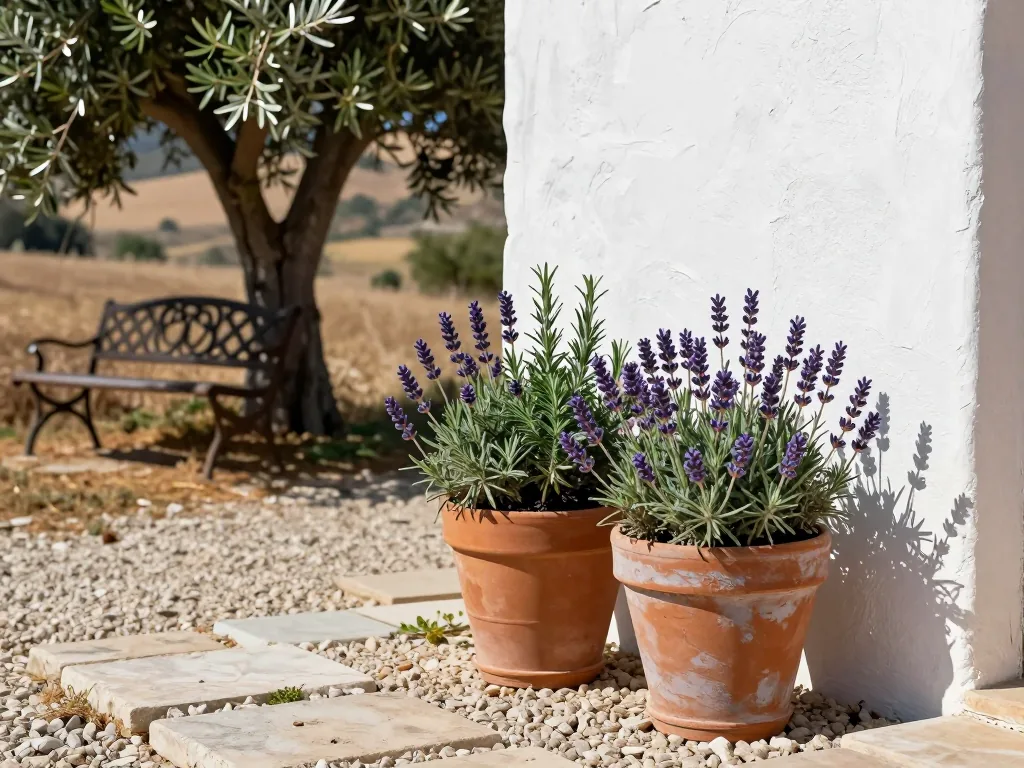
Step outside into a garden that endures scorching summers and mild winters, demanding far less water while bursting with texture, color, and life. For dry-climate homes, a lush, low-maintenance landscape isn’t just possible—it’s the smarter choice. This guide takes you from design to installation to ongoing care, building a water-wise, fire-resistant Mediterranean garden from the ground up. We’ll cover plant selection, soil preparation, efficient irrigation, hardscaping, and seasonal upkeep—every practical step tailored to hot, dry summers and gentle, wet winters. Whether you’re starting with bare dirt or transforming an existing yard, you’ll gain the confidence to craft an outdoor space that’s beautiful, resilient, and perfectly suited to your climate.
Before you break ground, learn to read the land you already have. A Mediterranean garden isn’t a battle against nature—it’s a negotiation. Your property isn’t a blank canvas; it’s a patchwork of distinct microclimates, each with its own rules.
Walk your property throughout the day, from dawn to late afternoon, and track where light falls. South and west-facing slopes are the drama queens: they bake in afternoon sun, dry out fast, and demand plants that thrive on austerity. North-facing areas, by contrast, hold moisture far longer and support thirstier, more forgiving species. Watch the wind, too—a persistent coastal breeze can desiccate foliage and stunt growth more than a week of heat. Then map your frost pockets. Cold air sinks, so low dips collect frost on winter mornings, while higher slopes stay several degrees warmer. Position every tree, shrub, and perennial based on sun, wind, and frost—not aesthetics alone.
Mediterranean soil is lean, rocky, and famously free-draining. Test before you amend. Dig a hole a foot deep and wide, fill it with water, and time the drainage. If it empties within an hour, you’ve got ideal conditions for lavender, rosemary, and olives. If water lingers for hours, you’re dealing with heavier soil that demands careful plant selection—most Mediterranean natives rot in soggy roots. Add organic compost only where you’ll establish new plants, working it into the planting hole rather than broadcasting it across the bed. Resist heavy mulching. Though standard in cooler climates, a thick blanket of wood chips traps moisture around crowns and roots, inviting fungal disease. Instead, lay a thin gravel or stone layer: it reflects heat, suppresses weeds, and keeps the soil surface dry—exactly as nature intended.
Designing a Low-Water, Fire-Safe Garden Layout
In a Mediterranean climate, the garden is a living system, not just a backdrop. It must balance beauty with the hard realities of drought and wildfire. The best layouts start with one core idea: defensible space, created through deliberate zoning. This isn’t about baring the earth—it’s about orchestrating a transition from the house outward.
Creating Defensible Space and Zones
Begin with a hard, non-combustible buffer right against your home. In the first few feet, lay an apron of gravel, flagstone, or decomposed granite. This crisp edge does double duty: it stops embers from igniting mulch or leaf litter near your walls, and it cuts down on water waste with a maintenance-free zone. Farther out, shift into a “low-fuel” planting area. Here, separation is everything—space between plants that breaks the horizontal and vertical flow of fire. Skip dense, unbroken hedges; opt for islands of planting instead. Keep shrubs pruned off the ground, remove lower branches for an airy base, and space them so mature canopies never touch. These thoughtful gaps slow flames and give the garden a more polished, curated look.
Choosing a Plant Palette for Year-Round Interest
The plant palette is where sustainability meets spectacle. Anchor the design with structural evergreens that give shape in every season. Rosemary, with its needle-like leaves and aromatic presence, forms a tough, drought-hardy mound. Cistus delivers papery flowers in early-summer bursts. Olive trees, with their silver-green canopy and gnarled trunks, act as living sculpture, casting dappled shade that cools the microclimate. For movement and texture, weave in clumps of ornamental grasses that rustle in the breeze. Then add the seasonal stars: lavender for a spring flush of purple, agapanthus for bold, architectural blue spheres in mid-summer, and a rotation of drought-tolerant perennials like gaura or salvia to carry color into autumn. The trick is choosing plants that are both beautiful and fire-resistant—high in moisture, low in resin. This layered approach, from the hard edge of the home to the soft, airy plantings beyond, creates a garden that’s both sanctuary and strategic asset, thriving on minimal water while offering maximum peace of mind.
Installing Efficient Irrigation and Water Management
Water defines your Mediterranean garden. This isn’t about mere survival—it’s about crafting a lush, resilient landscape that thrives on surprisingly little. Mimic the region’s natural rhythm: a deep, infrequent soaking, then a dry, restorative spell. That pattern drives roots deep, building plants that are drought-tolerant and self-sufficient.
Drip Systems and Smart Scheduling
Invest first in a drip irrigation system. Overhead sprinklers lose a hefty share of water to evaporation and wind; drip lines, by contrast, deliver moisture straight to the root zone. That precision eliminates runoff, keeps foliage dry, and slashes the risk of fungal diseases like powdery mildew, common in warm, humid microclimates. Pair those lines with a smart controller. These devices tap local weather data and soil moisture sensors to adjust schedules automatically—skipping a cycle after rain, extending it during a heatwave. Not a drop goes to waste. The core principle? Water deeply and infrequently. Skip the daily ten-minute sprinkle; instead, run the system longer, two or three times a week, depending on season and soil. This forces roots downward, chasing moisture, creating stable, self-reliant plants. For a typical suburban garden, a professionally installed drip system with a smart controller runs €800 to €2,500, depending on bed size and complexity—though you can get a landscaping and garden quote to tailor the setup to your exact space.
Rainwater Harvesting and Mulching Strategies
Supplement irrigation with free, chemical-free rain. Install barrels or larger cisterns at downspouts to capture roof runoff—ideal for your garden. Even a modest 200-liter barrel offsets summer usage significantly. For a passive approach, build a swale: a shallow, vegetated ditch following your land’s contour. It slows, captures, and infiltrates runoff into surrounding soil, recharging groundwater and keeping moisture where plants need it most.
Finally, a strategic mulch layer is your best defense against evaporation. A thin 2-3 cm layer of coarse gravel or chipped bark shields the soil, keeping it cool and moist underneath. But keep mulch away from stems, trunks, and crowns. Piling organic material against a plant’s base traps moisture against bark, inviting rot and harboring pests. Instead, leave a clear “donut” of bare soil around each base, with mulch forming a ring beyond it. This simple habit extends watering intervals by days and dramatically boosts plant health.
Hardscaping and Structural Elements
What defines a Mediterranean garden isn’t just what you plant—it’s what you build. Thoughtful hardscaping does more than impose order. It tames the harsh realities of a dry climate, turning punishing heat into a design advantage.
Selecting Durable, Heat-Absorbing Materials
Skip the large-format concrete slabs and dark asphalt for paths and patios. They radiate stored heat deep into the evening, rendering outdoor living unbearable. Instead, turn to natural stone, terracotta tiles, or permeable pavers. Flagstone, limestone, and travertine boast high thermal mass: they soak up the sun’s energy all day and release it gently after dark, moderating temperature swings and stretching the hours you can actually use your outdoor spaces. Terracotta, with its warm, earthy tones, performs just as well and develops a graceful patina over time. The key specification is permeability. Every hard surface should let water seep into the soil below, not funnel it into storm drains. Opt for open-graded gravel bases, sand-set pavers with wide joints, or decomposed granite paths that echo natural creek beds. This way, rare rainfall recharges groundwater and nourishes nearby plantings—nothing goes to waste.
Building Functional Features: Paths, Walls, and Shade Structures
Design your circulation as a journey. Winding paths that disappear around a corner invite exploration and slow the pace, making a compact garden feel far larger. For retaining edges and planting beds, choose low, dry-stacked stone walls. They need no mortar, let water pass through freely, and create cozy microclimates for heat-loving herbs like rosemary and thyme. Those gaps between stones? They double as shelter for beneficial insects and lizards. Above all, prioritize shade. A pergola or shade sail is the single most effective cooling device you can install. Look for adjustable louvers or a slatted roof, then train climbing vines—wisteria, jasmine, or grapevines—across the top. These deciduous climbers cast dappled shade in summer and, once they drop their leaves, let precious winter sun pour through. The payoff is a living, functional canopy that cools seating areas without a single drop of irrigation water. Expect to invest €40 to €120 per square meter for quality permeable paving, while a custom cedar or steel pergola typically runs €800 to €3,500, depending on size and complexity.
Seasonal Planting and Maintenance Calendar
The Mediterranean garden is never static. It’s a living system, and those who work with its rhythms—rather than against them—reap the rewards. Align your tasks with the climate’s natural cycles, and you’ll spend less time battling the elements and more time enjoying a landscape that looks effortlessly beautiful.
Autumn and Winter Planting for Strong Roots
Here’s the golden rule for a dry-climate garden: plant everything new—shrubs, trees, perennials—in autumn or early winter. The soil still holds summer’s warmth, the air has cooled, and seasonal rains are just beginning. That combination drives roots deep before the heat ever returns. Give a plant six months to establish a robust root system, and it will need far less supplemental water in its first summer. In fact, a well-rooted autumn-planted shrub can often survive on natural rainfall alone after year one. A spring-planted one? It may demand hand-watering twice a week through June. So resist the nursery displays, no matter how tempting they look in spring.
Spring and Summer Care: Pruning, Weeding, and Adjusting Irrigation
As days lengthen, shift from planting to stewardship. In late spring, prune spent blooms from lavender, rosemary, and cistus, and clear away any dead wood left by winter storms. This isn’t mere tidiness—it spurs a second flush of growth and keeps woody plants from turning leggy. When temperatures climb, tweak your irrigation gradually. Deep, infrequent waterings beat frequent, shallow sprinkling every time. Keep a close eye for aphids and powdery mildew, both of which love the shift from cool, wet nights to warm days. And if a plant still struggles after two seasons, don’t persist. Dig it out and swap in a more resilient Mediterranean species—a drought-tolerant salvia or a hardy phlomis.
Budgeting and Cost Expectations
A full garden installation on a standard residential plot typically runs anywhere from $5,000 to $30,000. The final figure depends on property size, the maturity of the plants you choose, and the complexity of hardscaping like paths, patios, and retaining walls. To keep costs manageable, go phased. Plant the backbone trees and structural shrubs in the first autumn, then add perennials and groundcovers the following season. This spreads the expense over months—and, just as importantly, lets you see which microclimates are genuinely dry and which catch unexpected runoff. Your later plantings will be all the better for it.
Building a resilient, beautiful Mediterranean garden starts with smart choices. Prioritize drought-tolerant plants, fire-safe hardscaping, and efficient irrigation from day one. Design with the natural climate rather than against it, and you’ll create an outdoor space that thrives on minimal water, withstands dry spells, and stays safe in wildfire-prone areas. Embrace native and adapted species; layer textures and colors for year-round interest; and plan your layout to cut maintenance and resource use. Ready to begin? Sketch a simple zone plan—mapping sun exposure, existing structures, and water access—then pick three to five drought-resistant plants to anchor your design. With these foundations in place, your Mediterranean garden won’t just survive the dry season—it’ll become a lush, enduring retreat for years to come.
Frequently asked questions
What are the key principles of designing a Mediterranean climate garden?
Which plants are best for a Mediterranean garden without constant watering?
How should I handle irrigation in a Mediterranean climate?
What type of soil preparation is needed for a Mediterranean garden?
How can I create shade and reduce heat in my garden?
What hardscaping materials work best for patios and paths?
How do I design for year-round interest in a Mediterranean garden?
What are common mistakes to avoid in Mediterranean landscaping?
Can I include a small vegetable or herb garden in this landscape?
How much maintenance should I expect for a Mediterranean garden?
Tell us about your renovation
Send photos or plans on WhatsApp and get a detailed quote — usually within 48 hours. Free, no obligation.
We usually reply within a few hours