Costa Brava in 2026: The Real Cost of Living for Expats and Second-Home Owners
Discover the real cost of living in Costa Brava for expats & second-home owners in 2026—housing, food, taxes, healthcare, and hidden fees revealed.
1 October 2026
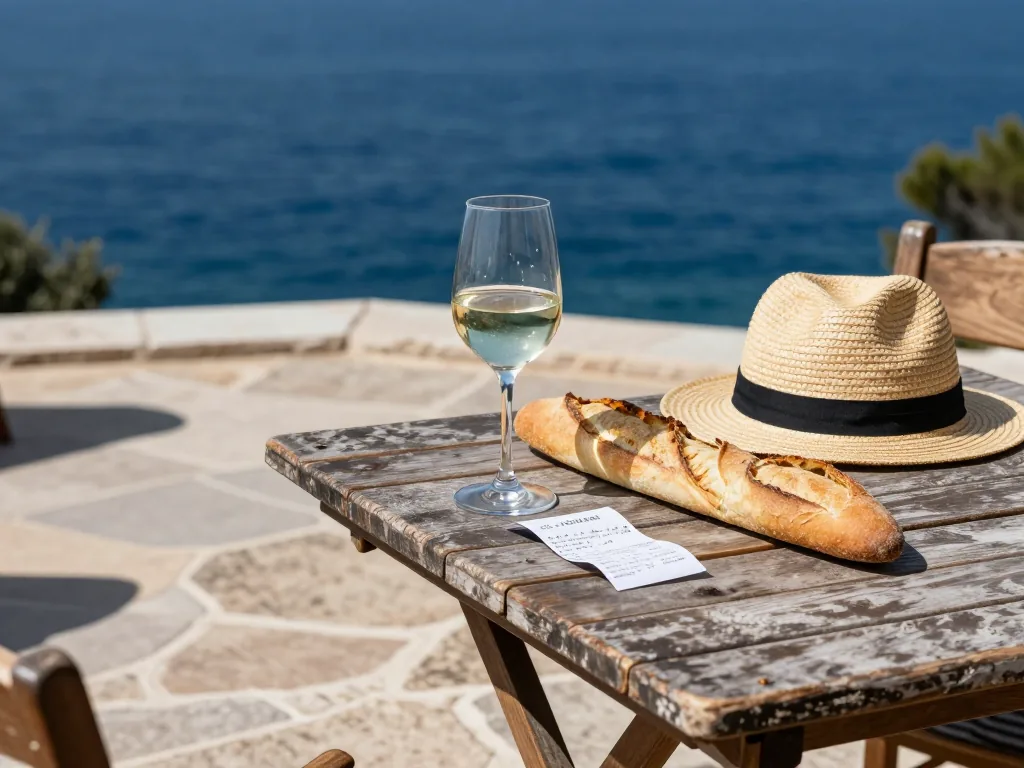
With its rugged coves, medieval hilltop villages, and Mediterranean light, the Costa Brava has long been the dream canvas for European expats and second-home owners. In 2026, though, that dream carries a very specific price tag. Soaring property taxes, a tightening rental market, and the quiet ripple effects of new tourism regulations have shifted the true cost of living here dramatically—far from the sun-drenched bargain it once was. This guide cuts through the glossy brochures to offer a clear, current breakdown of everyday expenses, from groceries and utilities to healthcare and maintenance. It’s built to help you decide whether your Catalan idyll fits your real budget. Whether you’re planning a full relocation or a seasonal escape, you’ll leave with the numbers that matter, not just the coastal postcard.
Understanding the Costa Brava in 2026
Geography and Lifestyle Realities
The Costa Brava isn’t one uniform stretch of coastline. It’s a rugged, 200-kilometre arc running from Blanes in the south to the French border at Portbou, and in between lie dramatically different microclimates and cost structures. The southern hubs—Lloret de Mar, Tossa de Mar, and Sant Feliu de Guíxols—are summer magnets. Seasonal rentals, beachfront chiringuitos, and higher daily prices for everything from groceries to parking define them. Head north toward Cadaqués, Roses, or the inland villages of the Alt Empordà, and the pace slows, the tourist density thins, and your monthly outgoings drop noticeably. In 2026, the practical reality is that your budget can swing by up to 40% purely based on location. A two-bedroom apartment in central Lloret might rent for €900 to €1,300 per month, while the same property in a quieter village like Pals or Peratallada runs from €650 to €950. Utilities—electricity, water, and gas—add another variable. Air conditioning in July and heating in January can push a monthly bill from €120 to €250, depending on insulation and whether your home is a modern build or an old stone finca.
Who This Guide Is For
This guide speaks to two distinct groups, and you need to know which one you are before you start budgeting. The first profile is the full-time expat—someone relocating for remote work, a local job, or retirement, living in the region 12 months a year. For this group, healthcare is a recurring monthly cost. Private health insurance (often required for residency) runs from €60 to €150 per person per month, and you’ll face the annual Spanish wealth tax on properties over certain thresholds—it varies by region but can add 0.2% to 0.5% of your asset value. The second profile is the second-home owner, spending three to six months annually, typically from Easter to October. You’ll dodge the residency-based taxes, but you’ll pay more per day of use. Property tax (IBI) is charged annually regardless of occupancy, and you’ll need to budget for a security system, garden maintenance, and higher utility standing charges. A typical second-home owner should plan for property taxes from €400 to €1,200 per year, plus community fees if you’re in a shared complex, which range from €60 to €200 per month. The key difference in 2026: full-time expats benefit from local pricing on long-term rentals and bulk utility contracts, while second-home owners face a premium for flexibility and seasonal use. Both groups, however, share one reality. The Costa Brava’s appeal is no longer a bargain, but it still offers genuine value compared to the French Riviera or the Balearics, provided you choose your base deliberately.
Housing Costs: Buying vs. Renting
For expats and second-home owners, housing is the single largest line item on the Costa Brava budget, and the gap between buying and renting has narrowed in distinct ways by 2026. Purchase prices remain highly zonal. As a benchmark, the average residential price in Girona province now sits between €2,300 and €2,800 per square meter. But that average hides sharp extremes. Coastal towns with iconic status—Cadaqués and Begur—routinely exceed €3,500 per square meter for anything with a sea view or within a ten-minute walk of the old quarter. Inland villages near Figueres, such as Avinyonet de Puigventós or Cabanelles, can fall below €1,800 per square meter, often for larger properties with land. For a practical budget, a 100m² apartment will cost you anywhere from €230,000 to €350,000 depending on whether you choose the coast or the interior. A second-home owner should also factor in the 10% transfer tax (ITP) on resale properties, plus notary and registry fees, which collectively add roughly 12–14% on top of the sticker price.
The rental market is more fluid, but seasonal swings are brutal. A 2-bedroom apartment in mid-sized towns like Figueres or Sant Feliu de Guíxols rents for €800 to €1,200 per month on an annual contract. In peak tourist towns like Lloret de Mar, the same unit can exceed €1,500 per month during June through September, but drops to €700 to €900 off-season. For 2026, several key factors shape your rental decision:
- Annual contracts (12 months) are far more cost-effective than seasonal lets—you effectively pay 20–30% less per month on average.
- Furnished rentals add 15–20% to the monthly price, so if you plan to stay long-term, buying your own furniture or negotiating an unfurnished lease saves real money.
- Deposit requirements are typically 2 months’ rent in Catalonia, which is legally capped but still a significant upfront outlay.
- Utility setup fees (electricity, water) average €150–€300 per connection, and you should budget an extra €50–€80 monthly for combined basic utilities beyond rent.
If you plan to visit only during summer, renting for four months at peak rates will cost more per square meter than buying—but without the capital lock-in. For year-round expats, buying in the interior and renting on the coast often makes the most financial sense.
Daily Living and Grocery Budgets
For anyone relocating to the Costa Brava, the daily rhythm of shopping and dining out will shape your monthly spending far more than property taxes or utility bills. The good news for 2026 is that this stretch of Catalan coastline remains noticeably more affordable than Barcelona, even after years of inflation-driven price adjustments across Spain.
Supermarket Basket Baseline
According to the latest 2026 Eurostat figures and Spanish CPI data for Girona province, a standard weekly basket for one person—covering milk, bread, eggs, chicken, fresh fruit, and vegetables—will cost between €35 and €45. For a couple, budget for a realistic €60 to €75 per week. These estimates assume you shop at national chains like Mercadona, Lidl, or Bonpreu, which dominate the region. But don’t overlook the mercat municipal in towns such as Palafrugell, Figueres, or Sant Feliu de Guíxols. There, you’ll find locally grown tomatoes, peaches, and greens at prices that often match the supermarkets, yet with noticeably better flavour and shelf life. Buying directly from farmers also means you’re paying for the produce itself, not the plastic packaging or transport costs, which keeps your weekly total honest and predictable.
Dining and Leisure Costs
When you want a break from cooking, a mid-range restaurant meal—a main course plus a drink, like a glass of local wine or a beer—runs between €15 and €25 per person. That gets you a solid paella, grilled fish, or a hearty meat dish in a family-run spot. A simple coffee at a bar averages €1.80 to €2.50, making the daily terrace habit a genuinely affordable luxury. The real cost trap, however, is seasonality.
“The Costa Brava is 8–12% cheaper than Barcelona for daily expenses, but tourist-town restaurants in July can charge 30% more than the same menu in February.”
That’s not hyperbole; it’s the single most important budgeting rule for expats and second-home owners. A menu del día priced at €14 in April can jump to €18 in August in coastal hotspots like Tossa de Mar or Cadaqués. For leisure, a cinema ticket costs €8 to €11, and a gym membership averages €35 to €50 per month. The key to keeping your daily budget in check is simple: shop where the locals shop, eat where the locals eat, and accept that your grocery bill will rise slightly in peak season—but never dramatically if you stick to the markets.
Utilities and Energy Bills
Understanding utility costs is essential for expats and second-home owners settling into the Costa Brava, especially when it comes to accurate budgeting. On a typical 100m² apartment or villa, expect to pay between €150 and €220 per month for the combined essentials of electricity, water, and gas. Electricity is the single largest line item, having climbed roughly 15% year-on-year since 2024, driven by ongoing EU energy market reforms and carbon pricing adjustments. In 2026, you should realistically allocate from €90 to €140 per month for electricity alone, depending on your usage patterns and whether you rely on electric heating during the cooler months. Water and gas are more stable, but together they still add a meaningful €50 to €80 to your monthly outgoings, with water costs varying significantly between coastal towns like Blanes and more inland municipalities.
Seasonal and Usage Variations
Paying for utilities while the property sits empty is one of the most common financial traps for second-home owners. Even if you leave your Costa Brava home vacant from October to April, you will still face fixed standing charges that keep your connection active. For electricity, these standing charges typically run from €15 to €30 per month, while water standing charges add another €10 to €20 monthly. Over a six-month absence, that is a silent drain of €150 to €300 for services you are not using. To reduce these costs, consider the following practical measures:
- Install a smart meter and switch to a time-of-use tariff. This allows you to shift heavy consumption—such as running the dishwasher or washing machine—to off-peak hours, where rates can be 40% lower. Many local providers, including Endesa and Naturgy, offer these tariffs without extra hardware fees.
- Use electric radiators only in occupied rooms. Instead of heating the entire property, invest in smart thermostatic valves or portable radiators with timers. This can cut your winter electricity bill by 20% to 30% compared to central electric heating.
- Consider solar panels for summer-only homes. If you primarily use your property between June and September, a small 3–5 kW photovoltaic system can cover most of your daytime electricity needs. With current installation costs and feed-in tariffs, payback periods are realistically 5 to 7 years, after which you enjoy near-free electricity during peak season.
By actively managing your utility contracts and usage, you can keep your Costa Brava running costs predictable—and avoid paying for energy you never consume.
Healthcare: Public, Private, and Mandatory Insurance
Public System Access
Public healthcare in Catalonia is free at the point of use for residents registered with the Institut Català de la Salut (ICS). EU or EEA citizens can rely on their European Health Insurance Card (EHIC) for medically necessary treatment during temporary stays. That card, however, won’t cover planned procedures, elective surgery, or private clinic care—the latter being what many expats prefer for faster appointments. Non-EU second-home owners face a stricter rule: private health insurance is mandatory to obtain and renew a residency visa. Even if you spend just a few months a year in Costa Brava, the empadronamiento (municipal registration) process that unlocks public GP access demands proof of residency. For non-EU nationals, that means holding a valid private policy. Without it, any emergency visit is billed at full public tariff—typically €150 to €300 per consultation, before tests or medication.
Private Insurance Costs
In 2026, a comprehensive private health plan on the Costa Brava runs between €60 and €120 per adult per month. The lower end buys a basic policy with a high deductible (often €200–€500 per event) and a restricted network of hospitals in Girona and Blanes. At the upper end, you get zero co-pays, full dental emergency coverage, and private rooms at the Hospital de Palamós or the Clínica Girona. Age is the biggest driver: a 40-year-old can secure a mid-tier plan for around €75 monthly, while a 65-year-old should budget €110–€120. Pre-existing conditions—hypertension, diabetes, or any chronic respiratory issue—push you to the top of that range or trigger a six-month waiting period before coverage starts. For non-EU residents, this insurance isn’t optional.
“For non-EU residents, failing to maintain private insurance can delay or deny your residency renewal, so treat it as a fixed cost, not optional.”
Even EU citizens who qualify for public care often keep a private policy to skip MRI waiting lists (public waits run 4–6 weeks) and to see English-speaking specialists in coastal towns. A family of four with two children under 12 should expect a combined monthly outlay of €180–€300, depending on whether you choose a family plan or separate adult policies. Always confirm that your insurer includes emergency repatriation—a common exclusion that can cost €5,000–€15,000 per air ambulance event. And if you’re juggling insurance paperwork alongside property upkeep, talk to us about maintaining your property so you can focus on your health coverage without added stress.
Property Taxes and Purchase Costs
For many expats and second-home buyers, the headline price of a Costa Brava property is only the beginning. The real financial picture emerges when you factor in Spain’s purchase taxes, which vary sharply depending on whether you buy a resale home or a brand-new build. On the resale market—the bulk of coastal inventory—Catalonia applies the Transfer Tax (ITP) at a rate of 10% to 11% of the purchase price. This is a significant, upfront cash payment that cannot be financed through a mortgage. If you opt for a new development, you will instead pay VAT at 10% plus stamp duty (Actos Jurídicos Documentados) at 1.5%, a slightly lower combined burden. On top of either tax, budget for notary, land registry, and legal fees, which typically add another 1% to 2% of the purchase price. On a €500,000 apartment, that means setting aside anywhere from €55,000 to €65,000 just in acquisition costs.
Once the keys are in your hand, the annual carrying costs begin. The most unavoidable is the IBI, or municipal property tax, which ranges from €400 to €1,200 per year depending on the town and the property’s cadastral value. A small studio in an inland village might sit at the lower end, while a sea-view villa in S’Agaró or Begur will approach the upper tier. You will also receive an annual waste collection bill (basura), typically €100 to €200, and if your property sits in a shared complex with a pool or gardens, expect community fees of €50 to €150 per month. These cover maintenance, insurance, and often water for communal areas.
The most overlooked cost, however, is the non-resident income tax on imputed rental income. If you are not a Spanish tax resident and you do not rent out the property, the tax authority still assumes you derive a notional income from owning it. You will pay 19% to 24% of the property’s cadastral value (a value usually far below market price), calculated quarterly. For a property with a cadastral value of €100,000, this could mean an annual tax bill of roughly €500 to €600—even if you never set foot in the house. This is a fixed obligation with no way around it, so factor it into your budget from day one.
The 100% Tax on Non-EU Buyers: What It Means
Current Status in Catalonia
Spain’s 100% tax on property purchases by non-EU buyers is officially active as of 2026. But it applies only in designated high-pressure zones like Madrid and Valencia. Catalonia—and the Costa Brava by extension—is not on the list. Today, a US, UK, Canadian, or Australian buyer can still purchase a coastal apartment or villa without facing a tax equal to the full property value. That reprieve, however, is fragile. The Catalan government has repeatedly signaled interest in curbing foreign speculation along the coastline, and regional decrees can pass with little notice. Before signing any reservation contract, your lawyer must check the DOGC (Diari Oficial de la Generalitat de Catalunya) for the latest update—ideally within 48 hours of the notary date. A verbal assurance from an estate agent carries no legal weight.
Strategic Implications
Non-EU buyers shouldn’t ignore the tax just because it’s absent today. The political momentum behind this measure is real. A future Catalan government could adopt it retroactively or with a short grace period. This isn’t theoretical: in 2024, the national government floated a similar measure, and while it stalled, the precedent is now law elsewhere. Consider what a sudden 100% tax would mean for a second home on the Costa Brava. Entry-level apartments in towns like l’Escala start at roughly €180,000; villas in Begur can exceed €1.2 million. A €400,000 property would suddenly carry an additional €400,000 liability.
“Do not assume the tax will stay dormant; structure your purchase with legal advice that includes a contingency clause for retroactive tax changes.”
This isn’t scare-mongering—it’s prudent structuring. A competent Spanish notary and tax attorney can draft a purchase agreement with a conditional rescission clause. If the tax is enacted within 12 months of your purchase, you can unwind the deal, minus reasonable costs. Alternatively, consider buying through a Spanish holding company if you plan to rent the property commercially. That can shift your legal status and potentially exempt you from the non-EU classification. Budget from €3,000 to €7,000 per transaction for this level of bespoke advice. Don’t skip this step. The Costa Brava’s lifestyle is exceptional, but its regulatory landscape in 2026 is shifting faster than the Mediterranean tide.
Cost of Living Index and Regional Comparisons
Girona vs. Barcelona vs. Other Coastal Regions
Expats weighing the Costa Brava against Spain’s other hotspots will find that Girona, the provincial capital, offers a meaningful discount without sacrificing coastal charm. Everyday expenses in Girona province—groceries, dining out, and standard services—run roughly 8% to 12% cheaper than in Barcelona city in 2026. A mid-range restaurant meal for two in Girona typically lands between €35 and €55; the same experience in Barcelona’s Eixample will set you back €45 to €70. Supermarket staples like olive oil, fresh seafood, and local wine follow a similar pattern: weekly baskets for a couple come to €60–€90 on the Costa Brava, versus €75–€110 in the Catalan capital. Compare the Costa Brava to Spain’s southern coast, though, and the picture shifts. Housing here runs about 5% more expensive than comparable properties on the Costa del Sol, particularly in prime spots like S’Agaró or Cadaqués. Utilities, however, are nearly identical—expect €120 to €180 monthly for electricity, water, and internet in a two-bedroom apartment, whether you’re in Lloret de Mar or Marbella. The real trade-off is climate versus culture: the Costa Brava delivers cooler summers and richer Catalan heritage, but you’ll pay a slight premium for that authenticity.
Hidden Costs for Second-Home Owners
Beyond the mortgage or purchase price, second-home owners on the Costa Brava frequently underestimate recurring expenses that quietly erode budgets. Plan for these often-overlooked items:
- Property management (if you are absent): €80 to €150 per month—essential for handling maintenance, pool cleaning, and utility bills while you’re away.
- Security systems or safe storage: €20 to €50 per month for alarm monitoring, smart locks, or renting a secure locker for valuables during long absences.
- Language classes or translation services: €15 to €30 per hour—Catalan is widely spoken here, and even basic proficiency helps with local bureaucracy, from tax filings to renovation permits.
- Travel insurance for frequent flights to Spain: €200 to €500 per year—crucial if you’re flying in quarterly, since standard policies often exclude multiple short stays.
Add these together, and a second home costs €1,500 to €2,500 annually beyond utilities and property taxes—a figure many new owners fail to factor into their 2026 budget.
Practical Budgeting Scenarios for 2026
Single Expat (Full-Time Resident)
For a single professional renting a one-bedroom apartment in a town like Lloret de Mar or Sant Feliu de Guíxols, the monthly reality lands between €1,800 and €2,500. Rent remains the heaviest line item, from €900 to €1,200 per month depending on proximity to the sea and seasonality—winter discounts are real but scarce. Groceries at local markets and Mercadona run about €200 monthly if you cook mostly at home. Utilities (electricity, water, internet) average €180, though summer air-conditioning can push this higher. Private health insurance, essential for non-EU residents, costs from €80 to €120 per month for a decent international policy. Public transport and occasional car rental total around €100. Leisure—tapas, wine, a concert or two—runs €300. Always keep a €200 contingency for unexpected appliance repairs or a dental visit. Total: €1,800–€2,500, workable on a remote salary of €35,000+.
Couple with Second Home (6 Months/Year)
If you own a coastal apartment but stay only half the year, plan on an annual outlay of €18,000–€25,000. Property taxes (IBI plus rubbish) sit at €1,200–€1,800 annually. Utilities for six months of occupancy plus standby fees for the rest run €1,500–€2,000. Home and contents insurance costs €1,000–€1,400. Maintenance—painting, pool checks, boiler servicing—adds €800–€1,200. Groceries for two over six months come to €2,500–€3,500, while dining out (a weekly paella or seafood feast) totals €2,000–€3,000. Flights or fuel for multiple round trips to Spain cost €1,500–€2,500. Finally, a local management company to air the property, collect mail, and handle emergencies charges €1,000–€1,400. The range flexes hugely with your travel frequency and whether you rent out the property when away.
Family of Four (Full-Time)
A family renting a three-bedroom townhouse in Girona’s suburbs or a larger flat in Blanes should budget €3,500–€4,500 monthly. Rent dominates at €1,500–€2,000; schools for two children (private or international) cost €300–€600 per month per child. Groceries for four run €600–€700. Utilities average €250, health insurance for the family €200–€300, transport (one car, fuel, insurance) €200, and leisure—day trips, beach clubs, kids’ activities—€400–€500. Contingency adds €200. This scenario assumes no mortgage; with one, add €800–€1,200 monthly. Families often find better value inland, sacrificing beach proximity for larger gardens and lower school fees.
Costa Brava in 2026 remains a compelling Mediterranean escape, though it’s no longer “cheap.” For expats and second-home owners, the real cost of living now runs roughly 15–20% above the Spanish national average. Surging property taxes, higher grocery and utility prices, and seasonal service surcharges are the main drivers. A comfortable lifestyle here is still achievable—but only with a budget that accounts for hidden costs like waste fees, tourist-zone surcharges, and mandatory health coverage. Before you sign anything, run a detailed monthly cash-flow projection using 2026 local data. Also, consider visiting in low season to test real prices rather than relying on summer estimates. Your next step is to compare three specific towns—Cadaqués, Sant Feliu de Guíxols, and Palamós—side by side for property tax, rental yield, and daily expenses. Then decide if the lifestyle premium matches your financial comfort zone.
Frequently asked questions
What is the average monthly budget for a single expat renting in Costa Brava in 2026?
How much does it cost to buy a second home in Costa Brava in 2026, and what are the hidden purchase costs?
What are the annual property taxes and maintenance costs for a second home in Costa Brava in 2026?
How have utility costs (electricity, water, gas) changed for residents in Costa Brava in 2026?
What is the cost of private health insurance for expats and second-home owners in 2026?
How much should I budget for groceries and dining out in Costa Brava in 2026?
What are the typical costs for car ownership and transport in Costa Brava in 2026?
Are there any special tax advantages or obligations for second-home owners in Costa Brava in 2026?
How does the cost of living in Costa Brava in 2026 compare to other Spanish coastal regions?
What are the hidden costs of maintaining a second home that many buyers overlook in 2026?
Tell us about your renovation
Send photos or plans on WhatsApp and get a detailed quote — usually within 48 hours. Free, no obligation.
We usually reply within a few hours