
The Ultimate Guide to Buying Property in Costa Brava as a Foreigner
Discover the ultimate guide to buying property in Costa Brava as a foreigner. Expert tips, legal advice, and more to help you make an informed investment.
26 September 2026
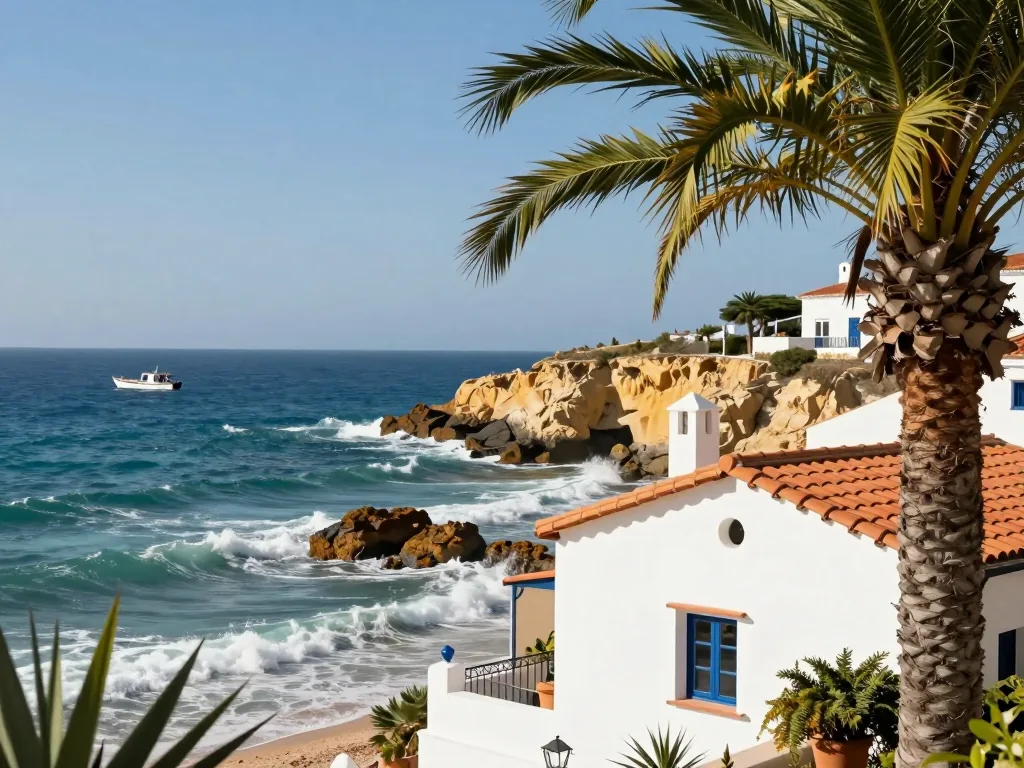
Dreaming of owning a slice of paradise along the stunning Costa Brava coastline? For foreigners, navigating the property market in this picturesque region can feel overwhelming—but it doesn’t have to be. This guide walks you through every step, from understanding local laws to finding your perfect home. Whether you’re seeking a vacation retreat or a permanent residence, we’ll provide the insights you need to make a confident, informed decision. Let’s turn your Mediterranean dream into reality.
Understanding Costa Brava’s Property Market
Costa Brava, in northeastern Catalonia, is famous for its dramatic cliffs, turquoise waters, and picturesque Mediterranean villages. Foreign buyers are consistently drawn to the region for its natural beauty, vibrant culture, and exceptional quality of life. The property market mirrors this appeal, featuring everything from rustic countryside homes to sleek seaside apartments.
Overview of Costa Brava
Though known as the “Wild Coast” for its rugged shoreline, Costa Brava today is far from untamed. The region blends lively resort towns, peaceful fishing villages, and verdant inland landscapes. Its Mediterranean climate ensures warm summers and mild winters, making it an ideal year-round destination. Tourism thrives, yet many towns preserve their authentic Catalan charm, offering a slower pace of life away from crowded hotspots.
Popular Areas for Foreign Buyers
Costa Brava’s property market accommodates a range of preferences, with options for different lifestyles and budgets.
- Coastal towns like Lloret de Mar and Tossa de Mar: These areas attract buyers with their lively atmospheres, beach proximity, and well-developed amenities. Apartments and sea-view villas are popular choices, whether for holiday homes or rental investments. Tossa de Mar stands out with its historic old town and modern infrastructure, blending convenience with character.
- Quieter inland areas like Girona province: Those seeking respite from coastal crowds find tranquility in Girona’s interior. Properties here often include larger plots, traditional stone houses, and lower prices than prime coastal locations. The region is also renowned for its wine country and proximity to historic towns like Figueres and Besalú.
- Exclusive residential zones with luxury properties: High-net-worth buyers often prefer upscale neighborhoods like Sa Riera in Begur or private gated communities near Roses. These areas boast high-end villas, private beaches, and premium amenities, catering to those who value privacy and prestige.
Foreign buyers must grasp these market dynamics when exploring Costa Brava’s real estate. Whether seeking a holiday retreat, a permanent home, or an investment, the region’s diverse options ensure a perfect fit for every need.
Legal Requirements for Foreign Buyers
Buying property in Costa Brava as a foreigner means dealing with specific legal requirements that depend on your citizenship. Knowing these rules is key to a smooth and legal purchase.
EU vs. Non-EU Citizens
EU citizens have an easier time buying property in Costa Brava. They don’t need extra residency permits, and the process is much like that for Spanish nationals. Non-EU citizens, however, face stricter rules. For example, they must follow the “Ley de Arrendamientos Urbanos” (Urban Leasing Law) and may need to provide extra documents, such as proof of legal income or financial stability. Non-EU buyers also have limits on how many properties they can buy, though this rarely affects individual purchasers.
Residency permits differ between EU and non-EU citizens as well. EU citizens can live in Costa Brava indefinitely without a visa, while non-EU citizens need a residency permit if they plan to stay in Spain for more than 90 days in any 180-day period. This permit ensures legal residency and access to public services.
Visa and Residency Options
Non-EU buyers have several visa and residency options to help with property acquisition and long-term stays in Costa Brava:
Golden Visa for non-EU investors: This residency permit is available to non-EU citizens who invest at least €500,000 in Spanish real estate. The Golden Visa allows the investor, their spouse, and dependent children to live, work, and study in Spain, plus travel freely within the Schengen Zone. The investment can be in one or multiple properties, and the visa is valid for two years, renewable in two-year increments.
Non-lucrative visa for retirees: This visa is for those who want to retire in Spain and can support themselves without working locally. Applicants must show stable income—such as a pension or rental earnings—and health insurance. The non-lucrative visa is granted for one year initially and can be renewed for up to five years, after which long-term residency may be applied for.
Work permits for employment-related purchases: Non-EU citizens buying property in Costa Brava for work must obtain a work permit. This usually requires a job offer from a Spanish employer or establishing a business in Spain. The permit allows legal residency and can eventually lead to permanent residency.
Given the complexity of these requirements, consulting a legal expert or real estate professional experienced in foreign property acquisitions in Costa Brava is highly recommended. Proper due diligence ensures your purchase fully complies with all applicable laws.
Step-by-Step Property Buying Process
Purchasing property in Costa Brava as a foreigner requires careful planning to ensure a smooth and legally sound transaction. This guide will help you navigate the process efficiently.
Finding the Right Property
Start by identifying the perfect home or investment opportunity. A licensed real estate agent with experience in foreign buyers can streamline this process. Look for someone familiar with regions like L’Estartit, Tossa de Mar, or Roses, who can tailor your search to your budget, location preferences, property type, and desired amenities.
Thorough property searches are a must. While online listings provide a starting point, always verify details with your agent. Schedule in-person visits when possible—virtual tours can’t fully capture a property’s condition or its neighborhood context. Evaluate factors like proximity to beaches, schools, healthcare, and transportation. Researching local market trends will also help you make a competitive offer.
Due Diligence and Legal Checks
Before finalizing your purchase, conduct due diligence and legal checks to avoid future complications. In Spain, a Notary Public must oversee transactions, and all documents must be properly certified. Key documents include:
- NIE (Número de Identificación de Extranjeros): Required for legal and financial transactions in Spain; your lawyer or agent can assist with this.
- Property Deed (Escritura Pública): Ensure it’s free of encumbrances like mortgages or liens.
- Land Registry Certificate (Nota Simple): Confirms legal ownership and checks for outstanding debts.
- Habitability Certificate (Cédula de Habitabilidad): Verifies that residential properties meet safety and habitability standards.
- Urban Planning Certificate (Certificado de Urbanismo): Ensures compliance with local zoning laws.
Hire a bilingual lawyer specializing in Spanish property law to review contracts and documents. They’ll also guide you through tax obligations, including 10% VAT (IVA) on new properties and transfer taxes (ITP) on resales, which vary by region. A thorough legal review safeguards your investment and prevents disputes.
Financial Considerations and Taxes
Buying property in Costa Brava as a foreigner requires careful financial planning. Beyond the purchase price, several costs and taxes apply, so understanding these expenses upfront helps avoid surprises and budget effectively.
Costs Involved in Buying Property
Additional costs for buying a property in Costa Brava typically range from 10% to 15% of the property’s value. Key expenses include:
- Transfer Tax (ITP): This applies when purchasing a resale property, with rates varying by region. In Catalonia, non-residents pay 11% of the declared property value.
- Notary and Registration Fees: These cover ownership transfer formalities. Notary fees (0.1%–0.5%) and registration fees (0.1%–0.2%) are based on the property value.
- Legal and Agency Fees: A lawyer is recommended, especially for foreigners unfamiliar with Spanish property law. Legal fees usually range from 1% to 2% of the property price. Real estate agent commissions are typically covered by the seller, but confirm this in advance.
Financing Options for Foreigners
Securing financing as a foreigner can be more complex than for Spanish residents, but several Spanish banks offer mortgages to non-residents. Key requirements include:
- Deposit: Lenders often require a 30% to 40% deposit, though some may accept lower amounts based on your financial profile.
- Proof of Income: Banks assess income, employment stability, and credit history to determine eligibility. Some require income in euros or from a stable source.
- Residency Status: While not all banks require residency, EU residents may access more favorable terms than non-EU buyers.
Non-residents can also explore financing in their home countries, but this may involve currency exchange risks. Consult a financial advisor or mortgage broker specializing in international property purchases to find the best options. Once you’ve secured your property, consider get a free renovation quote after purchase to ensure your new home meets your needs.
Careful consideration of these financial aspects ensures a smoother property-buying process in Costa Brava.
Types of Properties Available
Costa Brava’s property market caters to all tastes, from seaside retreats to inland havens. Whether you’re buying a permanent home, a holiday getaway, or an investment, the region’s coastal and inland areas offer unique opportunities.
Residential Properties
Apartments, villas, and townhouses dominate the residential market.
Apartments thrive in coastal hotspots like Lloret de Mar, Tossa de Mar, and Blanes. Options range from cozy studios to lavish penthouses with ocean views, often within secure complexes featuring pools, gardens, and round-the-clock security. Many are tailored for holiday rentals, appealing to investors chasing short-term income.
Villas promise privacy and space. Coastal gems in Begur, Pals, and Roses boast beachfront access or sweeping Mediterranean vistas. Inland villas, particularly in Girona province, offer expansive plots, private pools, and classic architecture in quieter settings.
Townhouses strike a balance between apartments and villas, commonly found in residential neighborhoods or quaint coastal villages. These often include private outdoor spaces and access to shared amenities.
Land and Investment Opportunities
Developers and investors can explore building plots and commercial real estate.
Building plots are available coastally and inland, though zoning laws differ. Coastal zones face stricter environmental rules, while inland areas provide more construction flexibility. Partnering with local experts ensures smoother navigation of permits and potential.
Commercial real estate spans hotels, restaurants, and retail spaces, especially in tourist-heavy areas like Estartit or Platja d’Aro. Seasonal demand fuels investment potential, but buyers should assess occupancy trends and local regulations.
From holiday escapes to long-term homes or profitable ventures, Costa Brava’s property market delivers choices for every preference and budget.
Post-Purchase Considerations
Congratulations on your Costa Brava property purchase! While the buying process is complete, careful planning ensures your investment thrives long-term.
Property Management and Maintenance
Regular upkeep is vital, especially if you rent out the property or use it seasonally. The Mediterranean climate demands attention—hire a local manager to handle maintenance, repairs, and landscaping. This prevents minor issues from becoming expensive problems.
For short-term rentals, partner with a reputable agency to navigate local laws, market your property, and manage bookings. Platforms like Airbnb and Vrbo are popular, but verify tax obligations and regulations first.
For long-term rentals, tenant screening is critical. A local manager can assist with background checks and lease agreements, ensuring compliance with Spanish law. Smart home tech also helps monitor your property remotely.
Long-Term Residency and Citizenship
Many foreigners extend their stays in Costa Brava. Spain offers residency options like the non-lucrative visa for income-generating non-workers. Retirees may qualify for the Golden Visa if they meet investment criteria.
Citizenship typically requires ten years of residency, though the Golden Visa—granted to investors buying property worth at least €500,000—can lead to citizenship after five.
If you plan to work, securing a permit is complex for non-EU citizens. Consult a legal expert on Spanish immigration law for guidance.
Proactive property management and residency planning let you fully enjoy your Costa Brava home while maximizing its value.
Conclusion
Buying property in Costa Brava as a foreigner can be a rewarding experience, with its stunning coastal views, vibrant culture, and high quality of life. This guide has outlined the essential steps, from legal requirements to navigating the local real estate market. Work with reputable professionals and stay informed to make a confident, well-informed decision. Next, consult a local real estate agent or legal expert to begin your property search and ensure a smooth purchasing process. Welcome to your future home in Costa Brava!
Frequently asked questions
Do I need a lawyer when buying property in Costa Brava?
What are the main steps involved in buying property in Costa Brava?
Are there any restrictions on foreigners buying property in Costa Brava?
What taxes should I be aware of when buying property in Costa Brava?
Can I get a mortgage in Costa Brava as a foreigner?
What should I consider when choosing a location in Costa Brava?
Do I need to be present in Spain to complete the property purchase?
What are the ongoing costs of owning property in Costa Brava?
How can I verify the legal status of a property before buying?
What happens if I want to sell my property in Costa Brava later?
Tell us about your renovation
Send photos or plans on WhatsApp and get a detailed quote — usually within 48 hours. Free, no obligation.
We usually reply within a few hours