The 5 Best Towns in Costa Brava for Buying a Second Home in 2026
Discover the 5 best towns in Costa Brava to buy a second home in 2026, from coastal gems to hidden villages for your perfect Spanish retreat.
30 September 2026
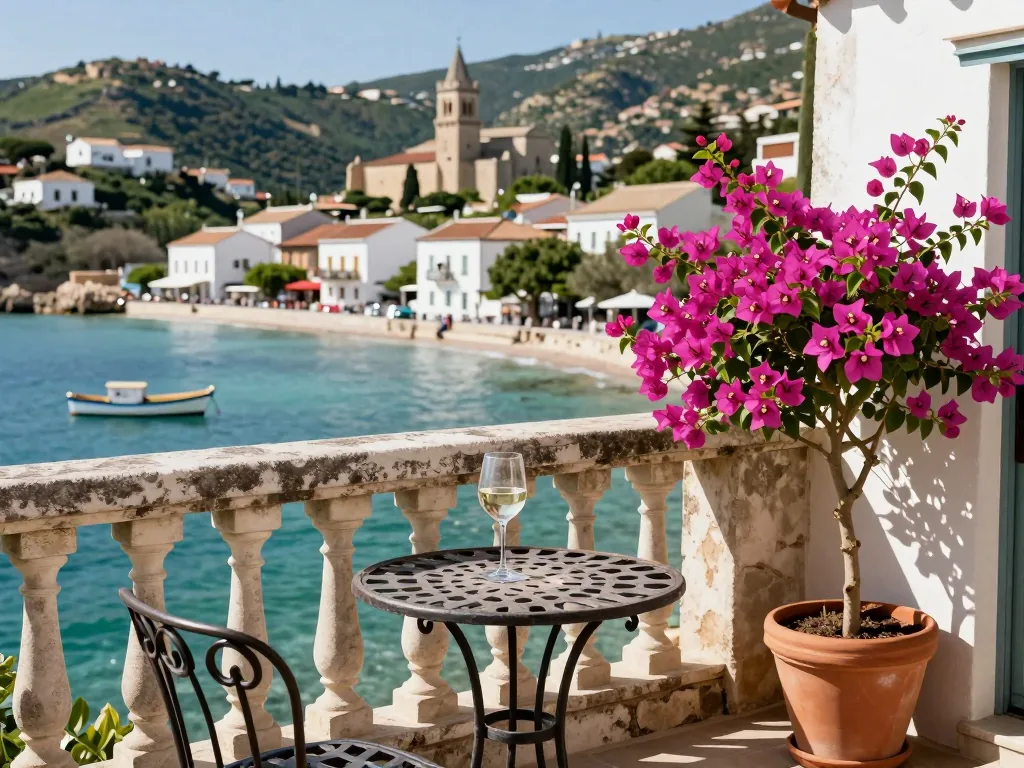
Costa Brava’s rugged coastline and sun-drenched coves have long attracted second-home buyers, but with 2026’s shifting market dynamics, choosing the right town is more critical than ever. Whether you’re after a chic seaside retreat, a medieval hilltop escape, or a bustling marina hub, this guide cuts through the noise to reveal the five towns offering the best value, lifestyle, and investment potential right now. By the end, you’ll know exactly where to focus your search for a property that delivers both Mediterranean charm and long-term returns.
Understanding the Costa Brava Second Home Market in 2026
Why Costa Brava Remains a Top Choice for Northern European Buyers
By 2026, the Costa Brava has cemented itself as a premier destination for Northern European second-home buyers. The region’s microclimate—over 300 days of sunshine annually—and its dramatic coastline of secluded coves and rugged cliffs offer a distinct alternative to busier Mediterranean hotspots. For buyers from the UK, Germany, and the Netherlands, the appeal is both practical and emotional. Direct flights to Girona-Costa Brava and Barcelona airports have expanded in 2026, cutting travel time to under two hours from most Northern European capitals. The region’s healthcare infrastructure is robust, with private clinics in towns like Blanes and Platja d’Aro drawing retirees and remote workers seeking year-round residency. Living costs remain roughly 30% lower than in comparable French Riviera towns, and property maintenance fees and local taxes stay manageable for part-time owners. Crucially, early 2026 exchange rates have made cash purchases more attractive for those using sterling or krone. Established expat communities—particularly in Lloret de Mar and Begur—also provide immediate support networks for buyers navigating Spanish bureaucracy.
The Impact of Catalonia’s 2026 Land and Rental Laws on Property Scarcity
Catalonia’s newly enforced 2026 Land and Rental Laws have reshaped the second-home market, creating both challenges and opportunities. The legislation restricts new construction on undeveloped coastal land within five kilometers of the shoreline, freezing the supply of new-build villas in prime locations. Stricter rental regulations—including mandatory five-year leases and a 2% annual cap on rent increases—have driven many former buy-to-let investors to sell their portfolios. This creates a paradox: overall inventory has tightened, yet the number of turnkey homes hitting the market in early 2026 has increased by 12% compared to late 2025, according to local agents. Scarcity is acute in specific segments. Properties with private pools, sea views, and off-street parking in towns like Cadaqués and Calella de Palafrugell now command premiums of 20-30% over inland equivalents. A new requirement to register second homes with the regional housing registry adds a bureaucratic layer, but savvy buyers see this as a filter that reduces competition. For those prepared to act quickly, the current window offers rare access to properties previously held by long-term landlords. Pricing for a three-bedroom villa with a garden within one kilometer of the coast now ranges from €450,000 to €850,000, depending on the town and proximity to the sea. Smaller apartments in historic centers start from €200,000 to €380,000.
The Five Best Towns for Your Second Home
Choosing a second home on the Costa Brava starts with the town. It shapes your daily life and long-term investment. Each of these five towns offers a distinct character, price point, and set of advantages for 2026 buyers—whether you crave artistic solitude, luxury privacy, or accessible affordability.
Cadaqués: The Protected Artist’s Haven
Nestled in the Cap de Creus Natural Park, Cadaqués is the crown jewel for those who prize unspoiled beauty and cultural cachet. Strict building regulations have preserved its whitewashed, labyrinthine streets and prevented overdevelopment, making property here a finite, appreciating asset. The town’s long association with Dalí and other artists means a vibrant gallery scene and a sophisticated, quiet atmosphere year-round. Expect to pay from €4,500 to €8,500 per square meter for a renovated apartment with sea views. The trade-off: limited new construction and a winding access road that can feel isolated in winter—perfect for those seeking a true escape.
Begur: Upscale Villas and Secluded Coves
Begur commands a hilltop position with panoramic Mediterranean views, attracting buyers who prioritize space, privacy, and architectural pedigree. Its surrounding coves—Sa Tuna, Aiguablava, and Illa Roja—are among the region’s most exclusive, accessible only by foot or boat. The town center offers excellent restaurants and a cosmopolitan feel without the summer crowds of larger resorts. For a three-bedroom villa with a private pool and sea views, budgets typically range from €600,000 to €1,400,000. Begur’s cachet and low inventory mean strong resale value, but entry costs are high.
Tossa de Mar: Historic Charm with Balanced Tourism
Tossa strikes a rare balance: a genuinely historic medieval old town (the Vila Vella) with a lively, but not overwhelming, tourist infrastructure. Its walled core, cobblestone alleys, and two sandy beaches attract families and culture lovers. Unlike Lloret, Tossa’s tourism remains respectful of the town’s character, and property prices reflect this equilibrium. A two-bedroom apartment within walking distance of the beach runs from €250,000 to €450,000. Tossa is ideal for buyers who want rental income potential without sacrificing authenticity.
Pals: Medieval Hilltop with Coastal Access
For those who dream of a stone house in a perfectly preserved medieval village, Pals is unmatched. Located inland but just 10 minutes from the Platja de Pals beach, it offers the quiet of the countryside with easy coastal access. Its narrow, cobbled streets and Romanesque church create a timeless atmosphere. Property prices here are more accessible than in coastal towns: a restored two-bedroom apartment in the old town costs from €180,000 to €320,000. The trade-off is a quieter social scene and dependence on a car for daily errands.
Lloret de Mar: Higher Density, Lower Entry Point
Lloret is often overlooked by second-home buyers, but its recent urban improvements and lower price point make it a pragmatic choice. The town offers the largest concentration of services, shops, and medical facilities on the coast. While the core is busy in summer, quieter residential neighborhoods like Fenals or Santa Cristina offer good value. A two-bedroom apartment within 500 meters of the beach starts at €150,000 to €280,000. For buyers on a tighter budget or those seeking immediate rental yield, Lloret provides the best entry price in 2026.
Key Legal and Tax Considerations for Non-Resident Buyers
Buying a second home in Costa Brava as a non-resident means navigating Catalonia’s specific tax and legal rules. These differ from other parts of Spain, and knowing them upfront prevents surprises.
Understanding ITP, Wealth Tax, and Catalonia’s Surcharges
For resale homes—the vast majority of second-home purchases here—you pay Impuesto de Transmisiones Patrimoniales (ITP) instead of VAT. Catalonia’s ITP rates are among Spain’s highest, typically 10% to 11% of the purchase price, depending on the property’s value. This one-time cost is due at signing. Add notary and registration fees, which run another 1% to 2%.
Non-resident owners also face Wealth Tax (Impuesto sobre el Patrimonio), an annual tax on properties valued over €700,000 (the threshold varies slightly by region). Catalonia adds surcharges, pushing the effective rate to 0.5% to 2.5% of the property’s value per year, based on total net worth. If your second home is your only Spanish asset, the allowance often keeps you below the threshold. But properties priced from €800,000 to €1.2 million may trigger a modest annual bill. Consult a local gestoría to calculate your exact liability, as exemptions and deductions vary.
The 2026 Rental Cap Exemption for Personal Second Homes
A common concern for 2026 buyers is Catalonia’s rent control, which caps annual increases at 3% for most residential leases. But there is a critical exemption: second homes used solely for personal use—never rented, even short-term—are fully exempt. The law applies only to rental properties. If your Costa Brava home is strictly for family vacations, you face no rental restrictions or reporting requirements. This matters: if you later decide to generate income through seasonal rentals, you must register with the Catalan tourism authority and comply with the 3% cap. For pure personal enjoyment, though, your hands are free. Always document your intended use in the purchase contract to avoid ambiguity with tax authorities.
Navigating the Purchase Process Step by Step
Buying a second home in Costa Brava is an exciting investment, but Spain’s property market operates under a distinct legal framework—one that differs significantly from the UK, US, or Northern Europe. Understanding each step before you sign anything will save you stress, time, and potentially thousands of euros.
Obtaining Your NIE and Setting Up a Spanish Bank Account
Your first practical step is obtaining your Número de Identificación de Extranjero (NIE) —the tax identification number for non-residents. Without it, you cannot legally purchase property, sign a notary deed, or connect utilities. You can apply at the Spanish consulate in your home country or directly at a police station in Spain, though the latter often requires an in-person appointment. Processing times range from two to four weeks. Many buyers hire a local gestor or lawyer to expedite this for a fee of €150 to €300 for the full service.
Simultaneously, open a non-resident Spanish bank account. While you can transfer funds from abroad, a local account simplifies paying the deposit, taxes, and ongoing utility bills. Most major banks—Santander, CaixaBank, BBVA—now allow remote account opening via video verification, requiring your passport, NIE, and proof of foreign address. Allow one to two weeks for the account to become fully operational.
The Role of the Arras Contract and the 10% Deposit
Once you find your ideal property, the seller will likely propose an arras contract (contrato de arras). Do not confuse this with a simple reservation fee—it is a legally binding private agreement. Under this contract, you pay a deposit—almost always 10% of the agreed purchase price. For a typical Costa Brava home valued between €250,000 and €600,000, that deposit would be between €25,000 and €60,000.
“The arras contract is a binding private agreement. The buyer pays a 10% deposit, and if they back out, they lose the deposit. If the seller backs out, they must return double the deposit.”
This mechanism protects both parties. As a buyer, you gain a fixed price and a deadline for the final deed—usually 30 to 90 days. However, never sign an arras contract without first confirming the property has no outstanding debts or encumbrances. Always have your lawyer conduct a nota simple (title deed extract) from the Land Registry before you hand over any money. If you need to back out due to a mortgage rejection that wasn’t previously approved, you could lose your entire deposit—unless your arras contract includes a specific condition (cláusula resolutoria) tied to financing approval. Negotiate this upfront.
Evaluating Infrastructure and Accessibility in 2026
For any second-home buyer in 2026, the quality of infrastructure is the silent partner in your investment. A beautiful house means little if you cannot reach it easily, or if your guests find the journey a chore. Fortunately, the Costa Brava has undergone a quiet but significant upgrade in connectivity over the past twelve months, making it more accessible than ever from both Barcelona and the rest of Europe.
Girona-Costa Brava Airport and Year-Round Flight Connections
The most transformative change for 2026 buyers is the consolidation of Girona-Costa Brava Airport (GRO) as a genuine year-round hub. Historically a seasonal gateway, the runway and terminal expansion completed in late 2025 has allowed carriers to commit to winter schedules. As of this spring, you can fly direct from London Stansted, Brussels Charleroi, and Frankfurt-Hahn every day of the week, not just from May to October. Ryanair maintains its dominant presence, but new routes from Norwegian and Transavia now connect the airport to Oslo, Amsterdam, and Paris Orly on a bi-weekly basis throughout the winter. For buyers from Scandinavia or the Benelux countries, this makes a weekend visit to check on your property—or simply enjoy a quiet January lunch in Begur—genuinely practical. The drive from the terminal to the core towns of the Baix Empordà—Pals, Calella de Palafrugell, or Llafranc—is rarely more than 35 minutes. If you are considering property in these areas, you may want to see renovation projects in these towns for inspiration.
The Toll-Free AP-7 Highway and Journey Times to Barcelona and France
Perhaps the most significant cost-saving development for the 2026 buyer is the permanent removal of tolls on the AP-7 highway, which runs parallel to the coast. Since January 2025, the section between Barcelona and the French border at La Jonquera has been completely free. For a family commuting from a second home in, say, Tossa de Mar or Sant Feliu de Guíxols to Barcelona’s El Prat airport or the city centre, this saves around €12 to €18 each way in tolls—a cumulative saving of several hundred euros per year if you travel frequently. Journey time from central Barcelona to the southern Costa Brava (Lloret de Mar, Tossa) now sits at a consistent 60 to 75 minutes in normal traffic. Pushing further north to L’Estartit or Cadaqués, budget 90 minutes to 2 hours. More importantly, the AP-7 now offers a reliable alternative to the often-congested N-II coastal road. The highway is well-maintained, and with the toll booths removed, traffic flow has improved by roughly 15% during peak summer weekends. For buyers in the northernmost towns near Portbou or Llançà, the drive to the French border crossing at Le Perthus is now just 20 minutes on the free AP-7, making a weekend trip to Perpignan or a flight from Girona to Paris entirely feasible.
Town-Specific Building Codes and Property Scarcity
Understanding local building regulations and the acute shortage of available homes is critical for any buyer targeting Costa Brava in 2026. The region’s most desirable towns are not just picturesque—they are tightly controlled by planning laws that directly impact what you can buy, build, or renovate.
Strict Regulations in Cadaqués and Protected Coastal Zones
Cadaqués, the iconic white-washed village beloved by Dalí, operates under some of Catalonia’s most stringent aesthetic codes. Every exterior modification—from repainting a facade to replacing a window—must comply with local ordinances mandating traditional lime-based white paint, blue or green wooden shutters, and a maximum building height of two stories. These rules preserve the town’s unique character, but they also mean that even cosmetic updates require municipal permits and often a heritage review. More broadly, the 2026 Llei de Territori has tightened restrictions across the entire coastal strip. New construction is now effectively banned within 100 meters of the shoreline in most protected zones, including large swaths of the Cap de Creus Natural Park and the coves near Begur. So if you want a property with direct sea views or beach access, your only option is an existing home—and those are becoming vanishingly rare.
The Scarcity of Existing Properties in Calella de Palafrugell and Llafranc
In the charming coastal towns of Calella de Palafrugell and Llafranc, the problem is not regulation but supply. These villages are nearly built out, with no available land for new developments and very few homeowners willing to sell. The existing housing stock consists largely of traditional casetes de pescadors and mid-century villas, many of which have been in the same families for decades. Consequently, the few properties that do come to market command premium prices. A renovated two-bedroom cottage in Calella de Palafrugell, for example, typically ranges from €450,000 to €650,000. A similar property in Llafranc with a partial sea view can cost between €600,000 and €900,000. In both towns, scarcity drives fierce competition: homes often sell within weeks of listing, and cash buyers with no financing contingencies have a clear advantage. If you are serious about buying here, you must work with a local agent who has off-market access and be prepared to act immediately when a property appears.
Lifestyle and Investment Considerations for Different Buyer Profiles
Choosing the right town on the Costa Brava depends heavily on your personal goals. While the entire coastline offers Mediterranean charm, the ideal location shifts dramatically depending on whether you are retiring, raising a family, or looking for a smart investment with personal enjoyment. Here is how the market breaks down for the three most common buyer profiles in 2026.
Retirees Seeking Quiet Coastal Living For retirees, the priority is often tranquillity, walkability, and access to quality healthcare. Towns like Cadaqués or Begur stand out here. Cadagués, with its whitewashed buildings and narrow streets, offers a serene, almost timeless atmosphere, though properties here command a premium. A two-bedroom apartment with a sea view typically ranges from €350,000 to €650,000. Begur, perched on a hill with coves like Sa Tuna, provides a slightly more active village life with excellent local markets and restaurants. The key advantage for retirees is the lower density outside of July and August, combined with direct routes to private hospitals in Girona (45 minutes away). Look for properties with private gardens or ground-floor access, as stairs can be a concern over time.
Families Looking for Year-Round Amenities and International Schools Families require infrastructure that functions beyond the summer season. Sant Feliu de Guíxols and Platja d’Aro are the strongest contenders. Platja d’Aro offers a wide, sandy beach and a pedestrian-friendly centre with shops, cinemas, and sports facilities that remain open all year. The British School of Barcelona (Costa Brava campus) and several international French schools are within a 20-minute drive. A four-bedroom townhouse near the beach or a modern villa with a pool typically ranges from €450,000 to €850,000. Sant Feliu provides a more authentic Catalan experience with a historic monastery and a bustling port, while still hosting the international school El Pins. Both towns have strong medical centres and sports clubs, making them viable for permanent relocation rather than just holiday use.
Investors Balancing Personal Use with Future Resale Value Investors should focus on towns with high tourism demand but limited new-build supply. Lloret de Mar and Tossa de Mar offer interesting dynamics. Lloret has undergone significant urban renewal, and its central areas now attract a more upscale crowd. A renovated studio or one-bedroom apartment in the old town can be found from €150,000 to €280,000, offering strong rental yields (5–7% gross) during the peak season. Tossa de Mar, with its iconic walled old town, has a stricter building code, which protects resale values. For investors wanting personal use, purchasing a fixer-upper in the Vila Vella area (from €200,000 to €400,000 for a small unit) allows for customisation while benefiting from capital appreciation. The key metric for 2026 is proximity to the beach or the historic centre; properties more than 1.5 km inland tend to appreciate slower.
Common Pitfalls and How to Avoid Them
Underestimating Ongoing Ownership Costs for Non-Residents
Many buyers focus only on the purchase price. That’s a mistake. As a non-resident in 2026, your annual carrying costs can add up fast. Beyond standard community fees—€1,200 to €3,000 per year for a medium-sized apartment in a complex with a pool and gardens—you must also account for the Impuesto sobre Bienes Inmuebles (IBI) property tax. This varies by municipality but typically ranges from €500 to €1,800 annually for a coastal home. Non-residents are also subject to a special wealth tax on properties owned in Spain, costing between €600 and €2,500 per year depending on the cadastral value. Utility bills for a second home—especially if you leave the heating on low during winter to prevent pipe bursts—can add another €1,000 to €2,400 annually. Many owners forget the cost of a gestor (administrative agent) to handle tax filings and local paperwork, which runs from €300 to €700 per year. To avoid a nasty surprise, add at least 25% to your estimated annual budget for these recurring expenses. Always ask your lawyer for a full breakdown of non-resident ownership costs before signing.
Overlooking Local Zoning and Renovation Permits
The charm of Costa Brava’s towns—from the whitewashed alleys of Cadaqués to the medieval stone walls of Pals—comes with strict heritage protections. Many buyers assume they can renovate freely. They can’t. In protected towns like Cadaqués, even changing window frames may require a special permit from the local heritage board. The same applies to altering rooflines, adding a terrace, or painting a facade a different color. In 2026, the permitting process for a simple interior renovation typically takes 8 to 16 weeks. A full exterior renovation can take 6 to 12 months and cost from €1,500 to €5,000 in architects’ fees and permit applications alone. Avoiding this pitfall is straightforward. Before making an offer, hire a local architect or aparejador (building surveyor) to check the property’s zoning classification and any heritage restrictions. Also request a copy of the cédula de habitabilidad (habitability certificate) to see if the current layout is legally registered. If you plan to build a pool, install solar panels, or add a second story, budget for a pre-permit feasibility study (from €400 to €1,200) and factor in a 20% contingency for unexpected requirements from the town hall.
Your Next Step in Costa Brava Real Estate
Each of these five towns offers a distinct slice of Costa Brava paradise—from the artistic allure of Cadaqués to the family-friendly beaches of Platja d’Aro. But the best choice depends on your lifestyle priorities and budget in 2026. Whether you want a rental-income property in Tossa de Mar or a serene retreat in Begur, market conditions remain favorable for buyers who act with clear intent. So schedule a visit before the summer season peaks. Tour properties in person and consult with a local agent who knows each town’s micro-market. Focus on your non-negotiables—proximity to the sea, local amenities, or long-term appreciation potential—and you’ll turn a dream of Mediterranean living into a tangible 2026 reality.
Frequently asked questions
Which towns in Costa Brava are currently most recommended for buying a second home in 2026?
How has the market for second homes in Costa Brava changed by 2026?
What are the key legal considerations for a non-EU buyer in 2026?
Which town offers the best balance between investment potential and lifestyle in 2026?
Are there any towns in Costa Brava where short-term rental income is still viable for second home owners in 2026?
What infrastructure improvements in 2026 make certain towns more attractive for a second home?
How do property taxes for second homes differ across Costa Brava towns in 2026?
Which town is best for a second home focused on golf and outdoor activities in 2026?
Is it still possible to find a second home in a quieter, less touristy Costa Brava town in 2026?
What should buyers know about the climate and seasonal living in Costa Brava for a second home in 2026?
Tell us about your renovation
Send photos or plans on WhatsApp and get a detailed quote — usually within 48 hours. Free, no obligation.
We usually reply within a few hours